
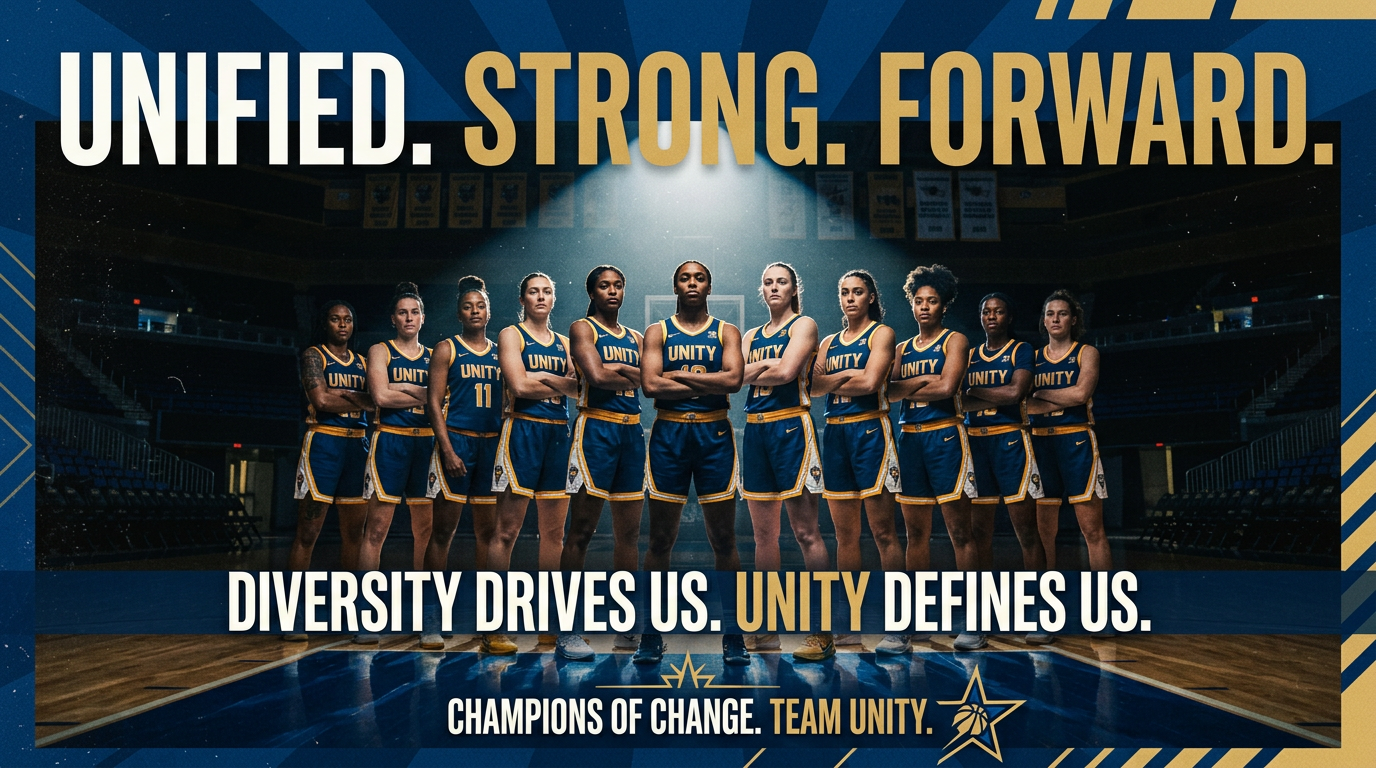
In the high-stakes arena of collegiate athletics, the ascent of the UCLA Bruins to the pinnacle of the NCAA championship serves as a definitive case study in coalition building. Much like a seasoned political strategist assembling a bipartisan cabinet to navigate a fractured legislature, Coach Cori Close spent years refining a blueprint that prioritized ideological alignment—or in this case, athletic synergy—over mere individual brilliance. The result was not just a victory on the court, but a validation of a specific governing philosophy: that a diverse assembly of 'transfer' constituents can, under the right leadership, form a singular, unstoppable mandate.
The cornerstone of this successful campaign was Lauren Betts, whose move to UCLA she famously described as the 'best decision' of her life. In political terms, Betts represented the marquee endorsement—the high-profile figure whose alignment shifts the entire momentum of a race. After a stint elsewhere, her 'defection' to the Bruins provided the interior presence that the program’s long-standing infrastructure had previously lacked. However, a single star does not a majority make. The Bruins’ triumph was predicated on the seamless integration of several key transfers, each bringing a unique set of skills that functioned like specialized policy advisors in a high-functioning administration.
Coach Close, acting as the party's elder statesman, maintained a steady hand through seasons of near-misses and 'legislative' stalemates in the early rounds of the tournament. Her persistence underscores a fundamental tenet of political longevity: the ability to adapt one’s platform to the changing landscape of the game. By leveraging the transfer portal—the modern era's equivalent of free-agent political maneuvering—Close demonstrated that the path to a championship requires both foundational stability and the agility to recruit external talent.
This 'eclectic mix' of athletes mirrors the modern electorate—varied in background, yet united by a common objective. The UCLA roster became a microcosm of successful governance, where individual ambitions were subordinated to the collective goal of achieving the highest office in women's basketball. The strategic convergence seen in Westwood provides a roadmap for other programs. It suggests that the traditional model of organic growth must now be supplemented by aggressive, targeted recruitment that addresses specific structural deficits.
Critics often argue that 'super-teams' assembled through transfers lack the soul of homegrown programs. Yet, the UCLA victory rebuts this narrative, proving that a well-managed coalition can foster a culture as deep and resonant as any traditional dynasty. As the Bruins celebrate their hard-won mandate, the sports world must acknowledge the political reality: in the new era of the NCAA, success belongs to those who can build the most effective alliances. The trophy in the case at Pauley Pavilion is not just a symbol of athletic prowess; it is a testament to the power of strategic diplomacy and the art of the possible.
About Marcus Thorne
Investigative Journalist specializing in campaign finance and lobbying efforts. Marcus breaks down the money behind the votes.
View full profile and workDiscussion
0Don't have an account? Subscribe for free to join the conversation.
More of today's reporting

Ohio State’s Late‑Game Collapse Sends Shockwaves Through College Football Landscape
SEP 13 • 2026, 4:50 AM ET
Saturday Morning Rundown: Trump’s Irish Sojourn, Ground Zero Sketches and Dreamy Honeymoons
SEP 13 • 2026, 4:50 AM ET
Arch Manning’s Late‑Game Heroics Ignite Texas comeback, toppling No. 1 Ohio State
SEP 13 • 2026, 2:51 AM ET
Celine Dion Overcomes Rare Neurological Disorder to Perform First Concert in Six Years
SEP 13 • 2026, 2:50 AM ET
Unstitching the 1,000‑Year‑Old Story: How the Bayeux Tapestry Became a Political Canvas in London
SEP 13 • 2026, 2:50 AM ET