
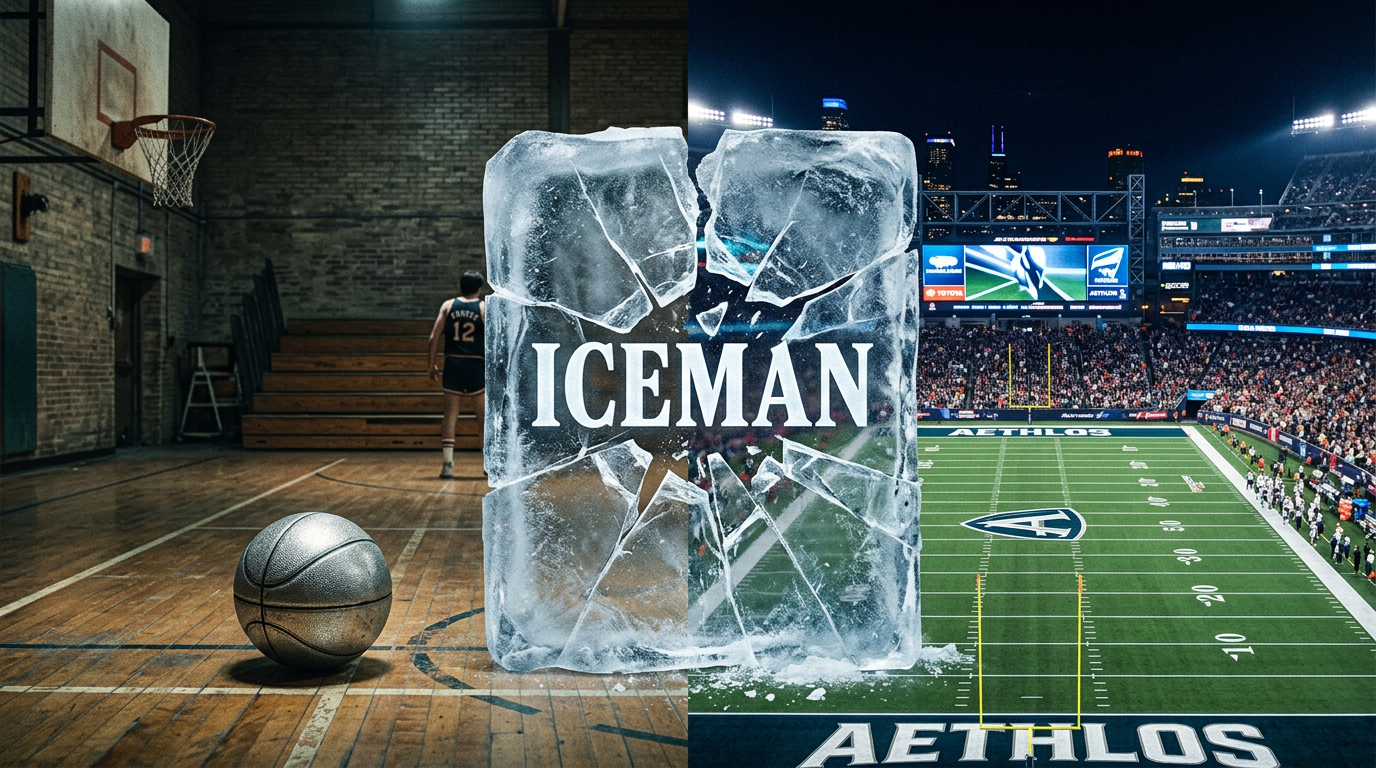
The intersection of legacy and modern branding has ignited a quiet but significant controversy between two icons of their respective eras. Former NBA star George Gervin, affectionately known globally as "The Iceman," recently expressed profound surprise and disappointment upon discovering that Chicago Bears quarterback Caleb Williams has filed for a trademark on the very nickname that defined Gervin’s Hall of Fame career. This development highlights an increasing tension in the professional sports landscape, where personal brands are often treated as litigious commodities rather than organic titles earned through decades of performance on the field.
Gervin, whose smooth playing style in the 1970s and 80s earned him the moniker, told reporters he was "caught off guard" by the rookie quarterback's legal move. For Gervin, "The Iceman" is not merely a marketing brand; it is a historical identity forged through four scoring titles and a legendary tenure with the San Antonio Spurs. The filing by Williams, the top pick in the 2024 NFL Draft, represents a more aggressive, corporate-minded approach to identity management that characterizes the modern "Name, Image, and Likeness" (NIL) and professional sports era. This clash represents a generational divide regarding the ownership of history.
The trademark application filed by Williams' representatives seeks to secure rights to the name for various commercial purposes, including apparel and merchandise. While it is common for young athletes to protect their "brand" early in their careers, the overlap with a pre-existing, iconic identity raises questions about the respect afforded to retired veterans who paved the way for the current financial boom in professional sports. Legal experts suggest that trademark disputes of this nature often hinge on "likelihood of confusion" in the marketplace. However, from a cultural standpoint, the move is seen by many as a breach of the unwritten code of sportsmanship and historical reverence.
As Williams enters his rookie season under the immense pressure of the Chicago market, his off-field business decisions are coming under as much scrutiny as his on-field performance. The decision to pursue a name already synonymous with a living legend suggests a potential disconnect between the marketing machines surrounding modern stars and the historical foundations of the sports they play. Gervin’s reaction serves as a reminder that while the legal system might allow for the acquisition of a name, the respect of one's peers and predecessors cannot be so easily filed or processed through a government office.
Furthermore, the move by Williams’ legal team underscores the shift in how young athletes view their marketability from the moment they enter the collegiate ranks. Having lived through the first era of NIL dominance at the University of Southern California, Williams is part of a generation that views their identity as a corporate portfolio. However, the friction occurs when that portfolio encroaches upon the historical artifacts of the game. Gervin’s era was one of limited commercialization compared to today's multi-billion-dollar media landscapes, making his attachment to the "Iceman" moniker even more poignant. It is one of the few intellectual assets he maintains from a career that preceded the modern salary explosion.
Ultimately, this dispute serves as a case study in the commodification of identity. If Williams persists, he risks alienating a demographic of fans who grew up watching Gervin's finger-rolls and cool demeanor. If Gervin chooses to fight the filing, it becomes a multi-year legal saga that could shadow Williams' early professional career. The resolution of this trademark filing will likely set a precedent for how retired legends protect their "classic" brands against the rising tide of new-age athletic entrepreneurs who view the past as territory to be claimed.
About Rachel Vance
Political Correspondent
Justice Department Reporter covering federal courts and Supreme Court rulings impacting public policy.
View Full Profile & Work →Continue Briefing
Additional intelligence reports from the network
More Headlines

Sen. Chris Coons Weighs in on Trump's New Nominee for National Intelligence Director
JUN 12 • 2026, 5:00 AM ET
Trump Nominates Jay Clayton to Serve as Director of National Intelligence
JUN 12 • 2026, 5:00 AM ET


Air India Crash Families' Year-Long Battle to Identify Remains of Victims
JUN 12 • 2026, 4:01 AM ET