
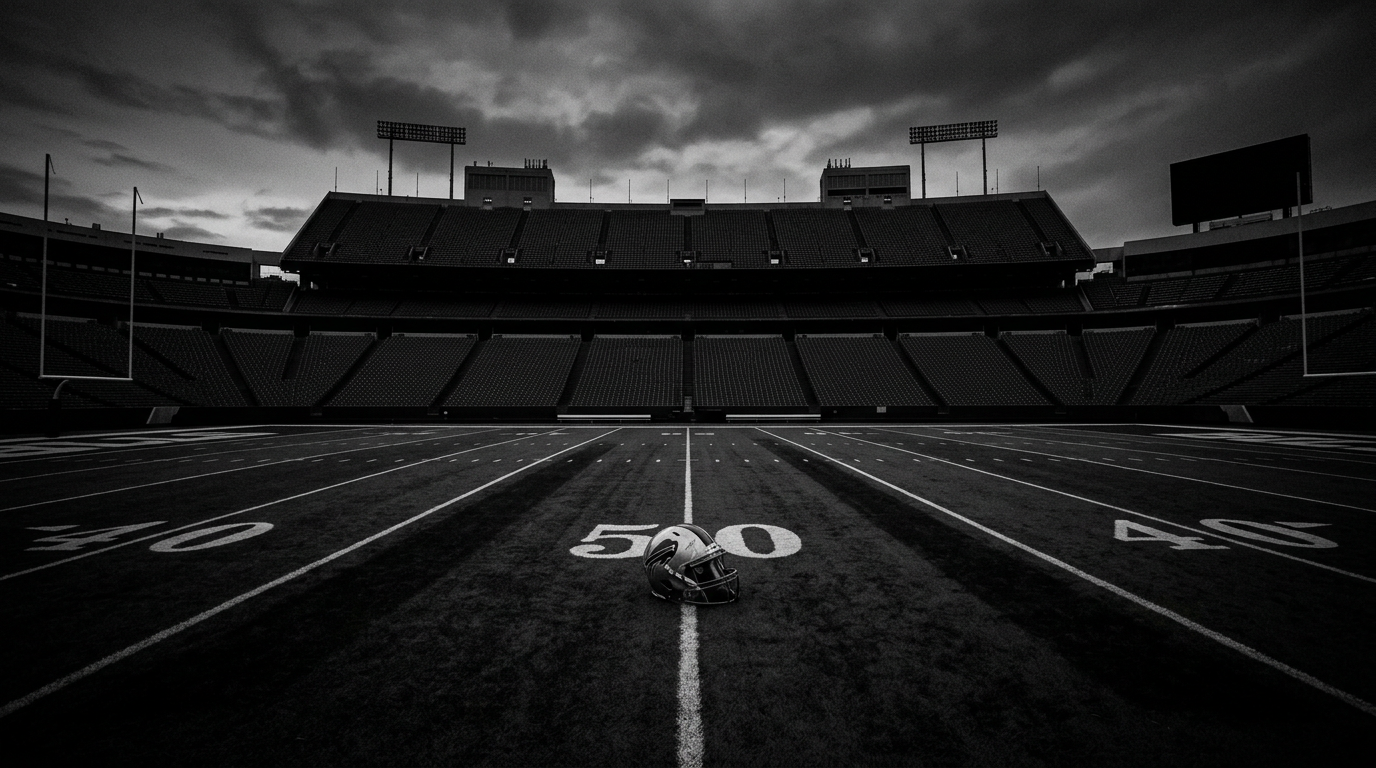
The passing of Barret Robbins at age 52 marks a somber moment in the history of the National Football League, serving as a visceral reminder of the intersection between elite performance and the fragility of the human psyche. Robbins, an All-Pro center who once anchored the Oakland Raiders’ offensive line during their early-2000s resurgence, was far more than a statistical contributor; his career became a focal point for a national conversation on bipolar disorder and the rigorous demands placed upon modern gladiators. To view his death simply as a sports headline is to ignore the broader institutional failures and the complex political economy of athlete labor that his life so poignantly illustrated.
Robbins’ narrative is inextricably linked to Super Bowl XXXVII, where his sudden disappearance on the eve of the championship game in San Diego remains one of the most scrutinized episodes in professional sports history. At the time, the public discourse lacked the nuance and clinical vocabulary it possesses today regarding bipolar disorder and mental health crises. To many contemporary observers, Robbins was viewed through a lens of professional negligence—a man who 'abandoned' his team. In hindsight, and through the lens of modern medical policy, he was a man struggling under the weight of a severe, unmanaged medical condition that the sports infrastructure of the era was ill-equipped to handle.
From a policy perspective, the journey of Barret Robbins catalyzed significant shifts in how professional organizations approach player wellness. In the decades following his peak, the NFL and the NFL Players Association have moved toward more robust mental health protocols, including mandated clinicians for every team. However, his death at such a young age forces a critical re-examination of whether these institutional safety nets are sufficient or if they are merely reactive measures to public relations crises. The political reality of professional sports often prioritizes the immediate spectacle over the long-term biological and psychological sustainability of the participants.
Robbins’ post-career life was frequently marked by legal complications and continued health struggles, which were often documented with a tabloid-like fervor rather than humanitarian concern. These are not merely individual failings but are often symptoms of a broader systemic failure to provide a graceful transition for athletes whose identities and physical health are sacrificed for a billion-dollar entertainment industry. The Raiders organization, in acknowledging his passing, honors a man who was, for a time, the premier athlete at his position, yet his story remains a powerful indictment of the hidden costs associated with the gridiron.
As we reflect on Robbins’ legacy, the focus should not merely be on the singular event of 2003, but on the courage required to navigate a diagnosis in a far less forgiving era. His life serves as a definitive case study for why mental health must be treated as a core component of labor rights and workplace safety within the sports industry. For the league and its stakeholders, the task ahead is to ensure that the Robbins narrative becomes a relic of a less-informed past rather than a recurring headline for future generations. The tragedy of his early death is a call to action for deeper investments in neurological research and support systems that persist long after the stadium lights have been extinguished.
About Marcus Thorne
Political Correspondent
Investigative Journalist specializing in campaign finance and lobbying efforts. Marcus breaks down the money behind the votes.
View Full Profile & Work →Continue Briefing
Additional intelligence reports from the network
More Headlines

Sen. Chris Coons Weighs in on Trump's New Nominee for National Intelligence Director
JUN 12 • 2026, 5:00 AM ET
Trump Nominates Jay Clayton to Serve as Director of National Intelligence
JUN 12 • 2026, 5:00 AM ET


Air India Crash Families' Year-Long Battle to Identify Remains of Victims
JUN 12 • 2026, 4:01 AM ET