
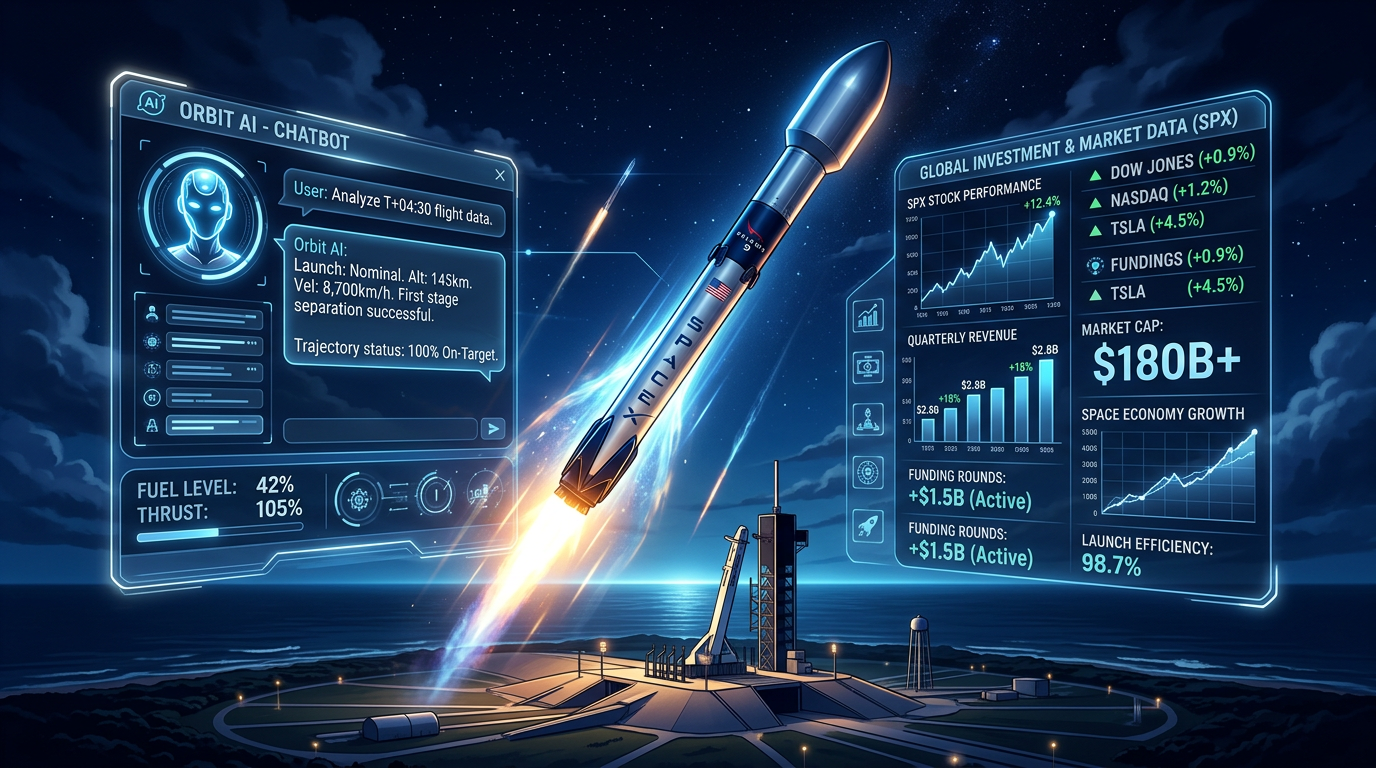
In the high-stakes world of global finance, the barrier to entry for the most lucrative deals has traditionally been a mix of reputation, capital, and strategic prowess. However, Elon Musk, the billionaire polymath behind SpaceX and Tesla, is introducing a new, more idiosyncratic variable into the equation. According to recent reports, investment banks vying for a coveted role in the upcoming SpaceX initial public offering (IPO) must first become paying subscribers to Grok, the artificial intelligence chatbot developed by Musk’s xAI. This unconventional mandate has sent shockwaves through the corridors of Wall Street, marking a radical departure from standard corporate governance and underwriting practices.
The SpaceX IPO is projected to be one of the largest financial events of the decade, potentially valuing the space exploration giant in the hundreds of billions of dollars. For firms like Goldman Sachs, Morgan Stanley, and JPMorgan Chase, the fees associated with such a listing are astronomical. Yet, the price of admission now includes an explicit endorsement—and financial support—of Musk’s burgeoning AI ambitions. Critics argue that this requirement resembles a 'pay-to-play' scheme, or at the very least, a form of 'tied selling' that could attract the attention of the Securities and Exchange Commission (SEC). From a political editor’s perspective, the move highlights the immense leverage Musk holds over the financial sector.
By bundling the success of his space ventures with the growth of his AI platform, Musk is effectively creating a self-sustaining ecosystem where his various enterprises feed off each other’s momentum. This 'Musk-o-sphere' operates on its own rules, often bypassing traditional norms that govern public companies and their advisors. The integration of Grok into the IPO process is not just about revenue for xAI; it is a calculated effort to force-feed the banking industry into his vision of an AI-driven future. If major banks are forced to use and pay for Grok to access the SpaceX deal, they become de facto stakeholders in the success of the chatbot. This creates a complex web of interests that complicates the fiduciary duties these banks owe to their other clients.
Would an analyst at a bank be as likely to criticize xAI’s valuation if their firm’s ability to lead a SpaceX offering depended on a Grok subscription? Furthermore, the political implications of this move cannot be ignored. SpaceX is a vital partner for the United States government, handling critical satellite launches for the Department of Defense and NASA. As Musk’s private entities become more intertwined, the oversight of these partnerships becomes increasingly difficult for regulators to manage. The requirement for financial institutions to subscribe to a specific AI tool raises questions about data security and the potential for proprietary financial information to be used to train Musk’s proprietary models.
As the 2026 IPO date approaches, the tension between Musk’s disruptive tendencies and the rigid structures of the financial world is reaching a boiling point. While banks are likely to grumble about the subscription fees and the optics of the arrangement, the sheer scale of the SpaceX deal makes it a 'must-win' for any major institution. This ensures that, for now, the path to the stars—and the massive profits they promise—must first pass through a subscription to a chatbot. Musk has once again proven that in his world, the old rules of engagement are merely suggestions, and those who want to fly with him must first learn to speak his language.
About Michael O'Connor
State Politics Editor. Michael monitors gubernatorial races, statehouse shifts, and local ballot initiatives.
View full profile and workDiscussion
0Don't have an account? Subscribe for free to join the conversation.
More of today's reporting

Ohio State’s Late‑Game Collapse Sends Shockwaves Through College Football Landscape
SEP 13 • 2026, 4:50 AM ET
Saturday Morning Rundown: Trump’s Irish Sojourn, Ground Zero Sketches and Dreamy Honeymoons
SEP 13 • 2026, 4:50 AM ET
Arch Manning’s Late‑Game Heroics Ignite Texas comeback, toppling No. 1 Ohio State
SEP 13 • 2026, 2:51 AM ET
Celine Dion Overcomes Rare Neurological Disorder to Perform First Concert in Six Years
SEP 13 • 2026, 2:50 AM ET
Unstitching the 1,000‑Year‑Old Story: How the Bayeux Tapestry Became a Political Canvas in London
SEP 13 • 2026, 2:50 AM ET