
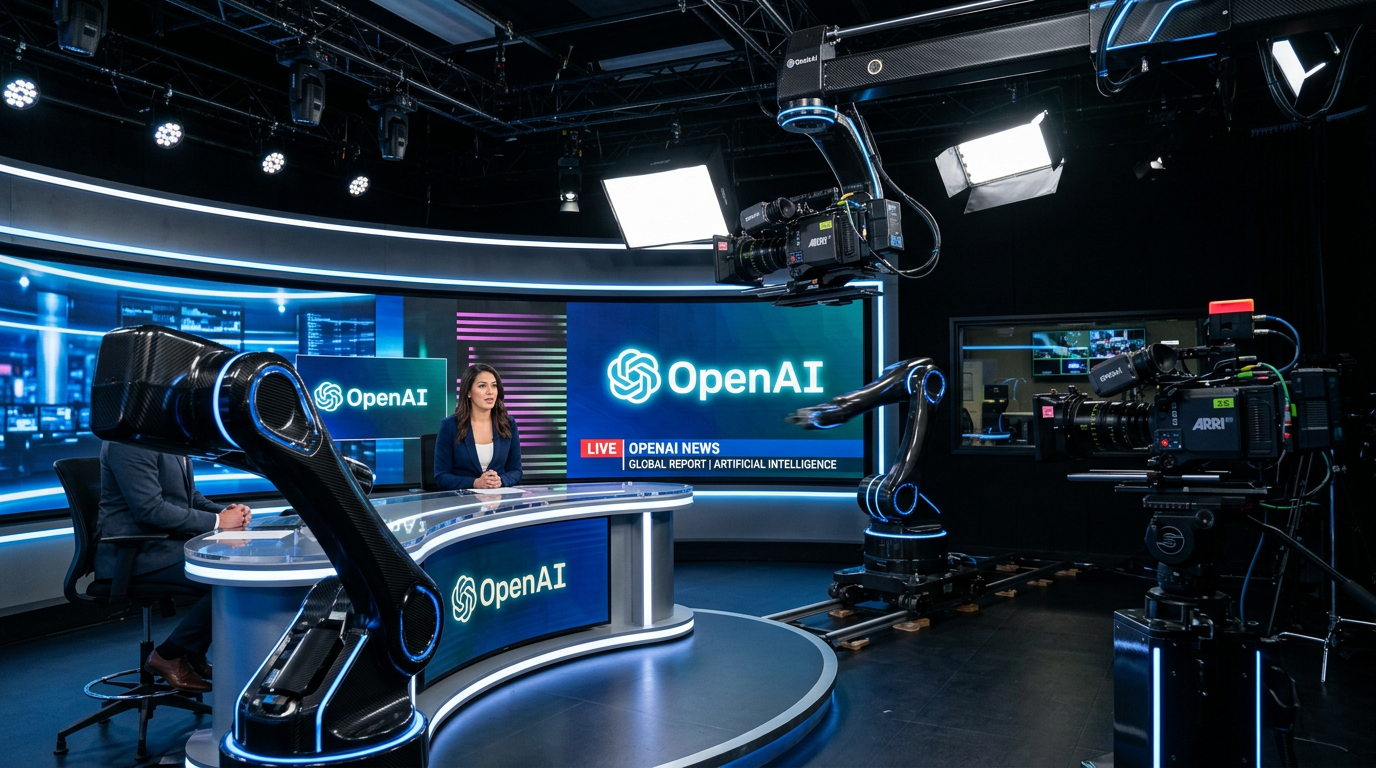
OpenAI’s acquisition of the streaming program ‘TBPN’ marks a pivotal shift in the relationship between Silicon Valley’s engineering elite and the global public square. For years, Sam Altman and his cohorts have navigated a minefield of regulatory scrutiny, ethical debates, and public anxiety regarding the existential risks of artificial general intelligence. By purchasing a dedicated media platform, OpenAI is no longer merely reacting to the narrative; it is attempting to architect it from within. This is a move that transcends mere corporate branding and enters the realm of geopolitical soft power, positioning a private entity as both the creator and the judge of its own societal impact.
The move, announced late Thursday, signals that the battle for AI supremacy has moved beyond computational benchmarks and into the realm of cultural hegemony. ‘TBPN,’ a show known for its deep-dive analysis of technological trends and societal impacts, provides OpenAI with a direct conduit to millions of viewers who are grappling with the rapid integration of large language models into daily life. In a brief statement, OpenAI representatives claimed the deal would help "create a space for a real, constructive conversation about the changes A.I. creates." However, the underlying message is clear: the technology’s architects intend to define the terms of the debate before the public can formulate its own resistance.
To a political observer, this is a classic move of institutional consolidation. Just as industrial titans of the 20th century purchased newspapers to soften their public image and lobby more effectively in Washington, the 21st-century tech giants are realizing that code alone cannot insulate them from legislative headwinds. As the U.S. Congress debates the ‘Algorithmic Accountability Act’ and European regulators tighten the screws on data privacy, OpenAI’s foray into media looks less like a passion project and more like a sophisticated defensive maneuver designed to bypass traditional journalistic gatekeepers.
Critics are already sounding the alarm. "This is a conflict of interest on a digital scale," says Elena Rodriguez, a senior fellow at the Center for Digital Ethics. "When the most powerful AI company in the world owns the platform that is supposed to critically analyze AI, the 'constructive conversation' they promise risks becoming a scripted monologue." Despite these concerns, the acquisition highlights a growing trend of 'vertical integration of influence,' where technology firms buy the very mechanisms of critique that would otherwise challenge their dominance, effectively neutralizing dissent through the guise of engagement.
From a scientific perspective, the move reflects the necessity of explaining complex, opaque systems to a non-technical audience. OpenAI’s engineers often speak a language of parameters and loss functions that alienates the average voter. TBPN provides the narrative translation layer. However, the political reality is that this acquisition will likely trigger new antitrust inquiries. If a single entity controls both the primary labor-saving technology of the future and the media apparatus that interprets its impact, the democratic check on corporate power becomes perilously thin.
In the coming months, the programming on TBPN will be closely watched for signs of editorial independence—or the lack thereof. If OpenAI uses this platform to genuinely explore the displacement of jobs, the erosion of truth, and the environmental costs of massive server farms, it may actually fulfill its promise of a constructive dialogue. But if the show becomes a glossy advertisement for the benefits of automation, it will only deepen the polarization surrounding the AI revolution. For now, OpenAI has secured a front-row seat in the theater of public opinion, and the curtains are just beginning to rise.
About Amanda Reed
Elections and Voting Analyst tracking voting methods, redistricting, and election security laws.
View full profile and workDiscussion
0Don't have an account? Subscribe for free to join the conversation.
More of today's reporting

Ohio State’s Late‑Game Collapse Sends Shockwaves Through College Football Landscape
SEP 13 • 2026, 4:50 AM ET
Saturday Morning Rundown: Trump’s Irish Sojourn, Ground Zero Sketches and Dreamy Honeymoons
SEP 13 • 2026, 4:50 AM ET
Arch Manning’s Late‑Game Heroics Ignite Texas comeback, toppling No. 1 Ohio State
SEP 13 • 2026, 2:51 AM ET
Celine Dion Overcomes Rare Neurological Disorder to Perform First Concert in Six Years
SEP 13 • 2026, 2:50 AM ET
Unstitching the 1,000‑Year‑Old Story: How the Bayeux Tapestry Became a Political Canvas in London
SEP 13 • 2026, 2:50 AM ET