
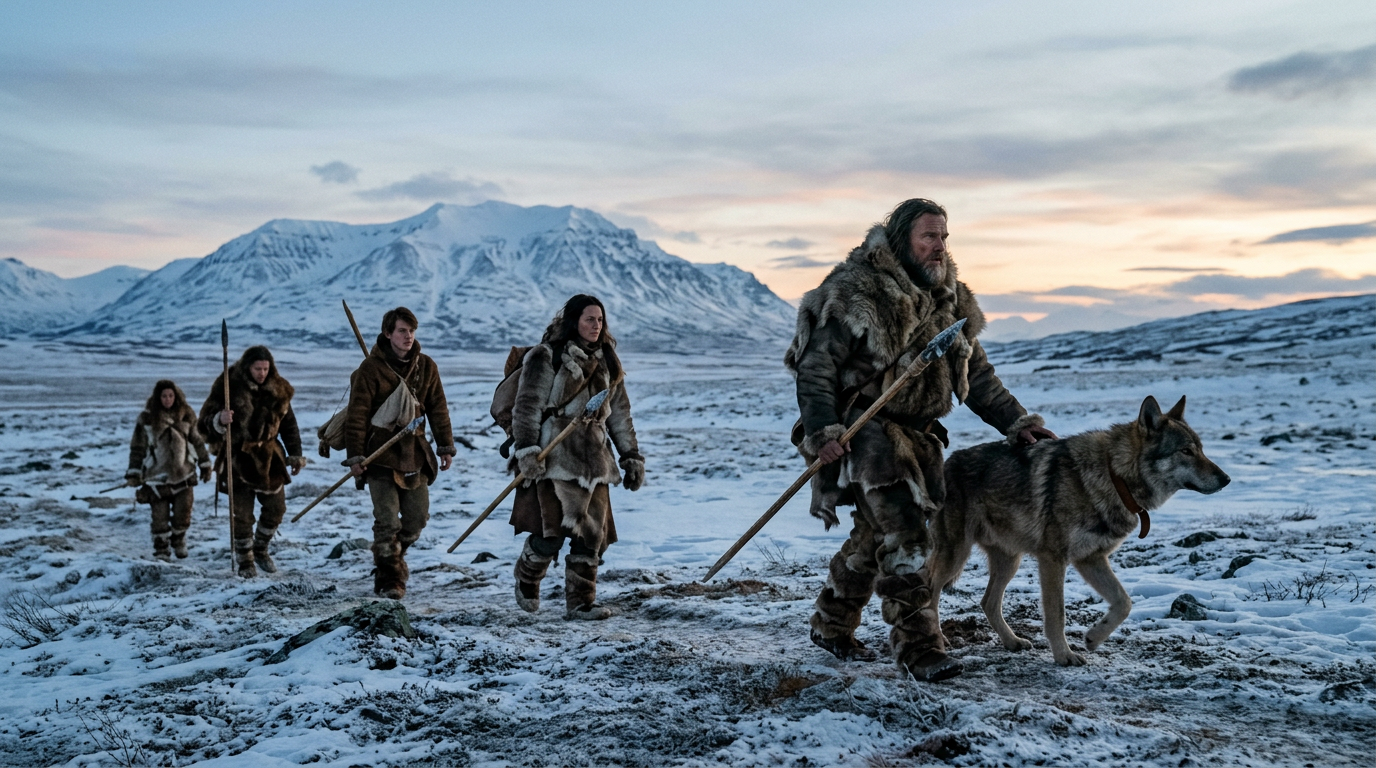
The discovery that human-canine bonds predated the agricultural revolution by five millennia offers more than just a footnote in the field of paleontology; it provides a profound new lens through which to view the origins of human social cooperation and primitive governance. Recent genetic analysis, pushing the timeline of domestication significantly further back into the Pleistocene, suggests that the partnership between hunter-gatherer groups and wolves-turned-dogs was a strategic alliance that predated the very concept of land ownership or permanent settlement.
For decades, the prevailing archaeological narrative suggested that dogs were a byproduct of the transition to sedentary farming. The logic was simple: surplus grain attracted vermin, which in turn attracted scavengers, leading to a slow, accidental process of domestication. However, this new ancient DNA evidence, as detailed in reports from the Ancient DNA Research Consortium, confirms that nomadic tribes were integrating dogs into their social units long before the first seed was ever intentionally planted. This shift moves the origin of the canine bond from one of accidental proximity to one of intentional, mutual utility, reshaping our understanding of early human intelligence.
The implications for how we understand early human organization are significant. In a hunter-gatherer context, the dog was not merely a companion but a highly specialized asset—a security guard, a tracking partner, and a vital component of a group’s defensive posture. The DNA findings suggest that these nomadic groups were not isolated but were actively trading or sharing these animals across vast distances. This points to an early form of inter-tribal diplomacy and technological exchange that has long been overlooked by historians focusing solely on the development of tools or fire.
From a political perspective, this research challenges the traditional definition of "civilization." We often equate the birth of organized society with the physical demarcation of territory and the rise of the state. Yet, the presence of the dog indicates that early humans had developed sophisticated internal hierarchies and multi-species cooperation while still entirely mobile. This suggests that the foundations of the social contract—cooperation for mutual survival and the strategic delegation of specialized roles—were refined in the wild, aided by a non-human partner that increased the group's collective power.
According to researchers at the Paleogenetics Institute, the data shows a clear pattern of canine migration that mirrors human trade routes. This implies that the earliest "commodity" exchanged between human leaders may have been the specialized genetics of their canine companions. This early exchange of "technology"—for that is what a trained hunting dog was—likely served as a bridge between competing tribes, fostering a level of communication and peace-building that allowed human populations to thrive in the harsh conditions of the late Ice Age.
As we analyze modern environmental policies, these findings remind us that our relationship with the natural world is not a recent development but is baked into our survival strategy. The "hunter-gatherer canine complex" highlights that humans have always been a species that seeks to leverage ecological partnerships to overcome environmental challenges. By understanding that our first major alliance was with another species, we may find new ways to approach the complex interactions between human expansion and biodiversity today. The dog was not just a follower; it was a foundational element of the first human political structures.
About Sophia Martinez
Political Correspondent
Housing and Urban Development Reporter covering affordable housing initiatives and zoning regulations.
View Full Profile & Work →Continue Briefing
Additional intelligence reports from the network
More Headlines

Sen. Chris Coons Weighs in on Trump's New Nominee for National Intelligence Director
JUN 12 • 2026, 5:00 AM ET
Trump Nominates Jay Clayton to Serve as Director of National Intelligence
JUN 12 • 2026, 5:00 AM ET


Air India Crash Families' Year-Long Battle to Identify Remains of Victims
JUN 12 • 2026, 4:01 AM ET