
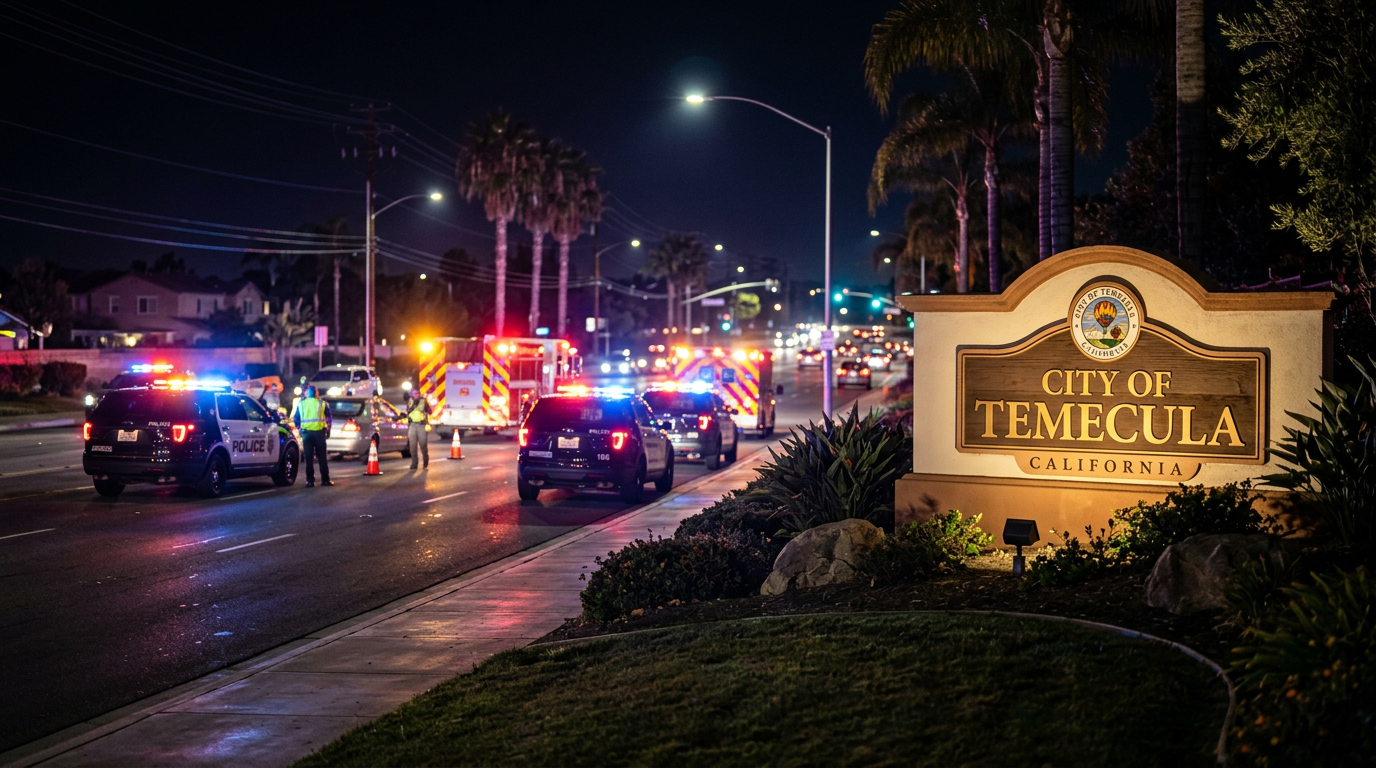
The incident involving Tori Spelling, the "Beverly Hills, 90210" icon, on Rancho California Road in Temecula, serves as a stark reminder of the intersection between celebrity culture and the mundane realities of regional infrastructure. Late Thursday night, Spelling was reportedly hospitalized following a two-car collision that occurred within the jurisdiction of the Riverside County Sheriff’s Office. While initial reports focused on the health of the actress, a political lens reveals deeper questions regarding traffic safety, emergency response resource allocation, and the shifting demographics of Southern California's inland empire.
Temecula, once a quiet wine country enclave, has seen rapid population growth over the last two decades. This growth often outpaces the development of local thoroughfares, leading to increased congestion and higher accident rates. When a high-profile figure like Spelling is involved in such a mishap, it inevitably draws international scrutiny to local public works. Political editors must look past the tabloid headlines to understand how municipal planning impacts the daily lives of both residents and visitors. The Riverside County Sheriff’s Office, tasked with managing such incidents, faces the constant pressure of maintaining public safety amidst a backdrop of fluctuating local budgets and high-visibility incidents that demand immediate transparency.
The manager for the actress confirmed her involvement in the crash, but specific details regarding the mechanics of the collision remain under investigation. From a policy perspective, the efficiency of the response team reflects the health of the county’s emergency services. California’s current legislative climate is increasingly focused on road safety initiatives, yet rural-urban transition zones like Temecula often present unique challenges for enforcement. The political fallout of celebrity-involved accidents can sometimes catalyze infrastructure changes, as public pressure mounts on city councils to address "hot spots" where visibility or speed limits may be inadequate.
Furthermore, the incident highlights the role of the media in shaping public perception of local law enforcement. When the Sheriff’s Office interacts with a global figure, their procedures are examined under a microscope. This transparency is vital for democratic accountability, ensuring that the same protocols are followed regardless of the individual's status. As Spelling recovers, the discourse should ideally shift from gossip to the substantive issues of transit policy and the sustainability of California’s road networks. The intersection of Rancho California Road is not just a point on a map; it is a nexus where personal tragedy meets public policy.
Ultimately, the collision is a microcosm of the larger challenges facing Riverside County. It involves the complex coordination between healthcare facilities, law enforcement, and urban planners. While the world watches Spelling’s recovery, local leaders must seize the moment to evaluate the safety of their streets. The goal is to ensure that whether one is a television star or a daily commuter, the transit infrastructure provides the highest level of security possible. This accident is a call to action for those in the political sphere to prioritize the tangible safety of their constituents over the fleeting distractions of celebrity news cycles.
About Aisha Tariq
Political Correspondent
Healthcare Policy Analyst tracking Medicare, Medicaid, and prescription drug legislation.
View Full Profile & Work →Continue Briefing
Additional intelligence reports from the network
More Headlines

Sen. Chris Coons Weighs in on Trump's New Nominee for National Intelligence Director
JUN 12 • 2026, 5:00 AM ET
Trump Nominates Jay Clayton to Serve as Director of National Intelligence
JUN 12 • 2026, 5:00 AM ET


Air India Crash Families' Year-Long Battle to Identify Remains of Victims
JUN 12 • 2026, 4:01 AM ET