
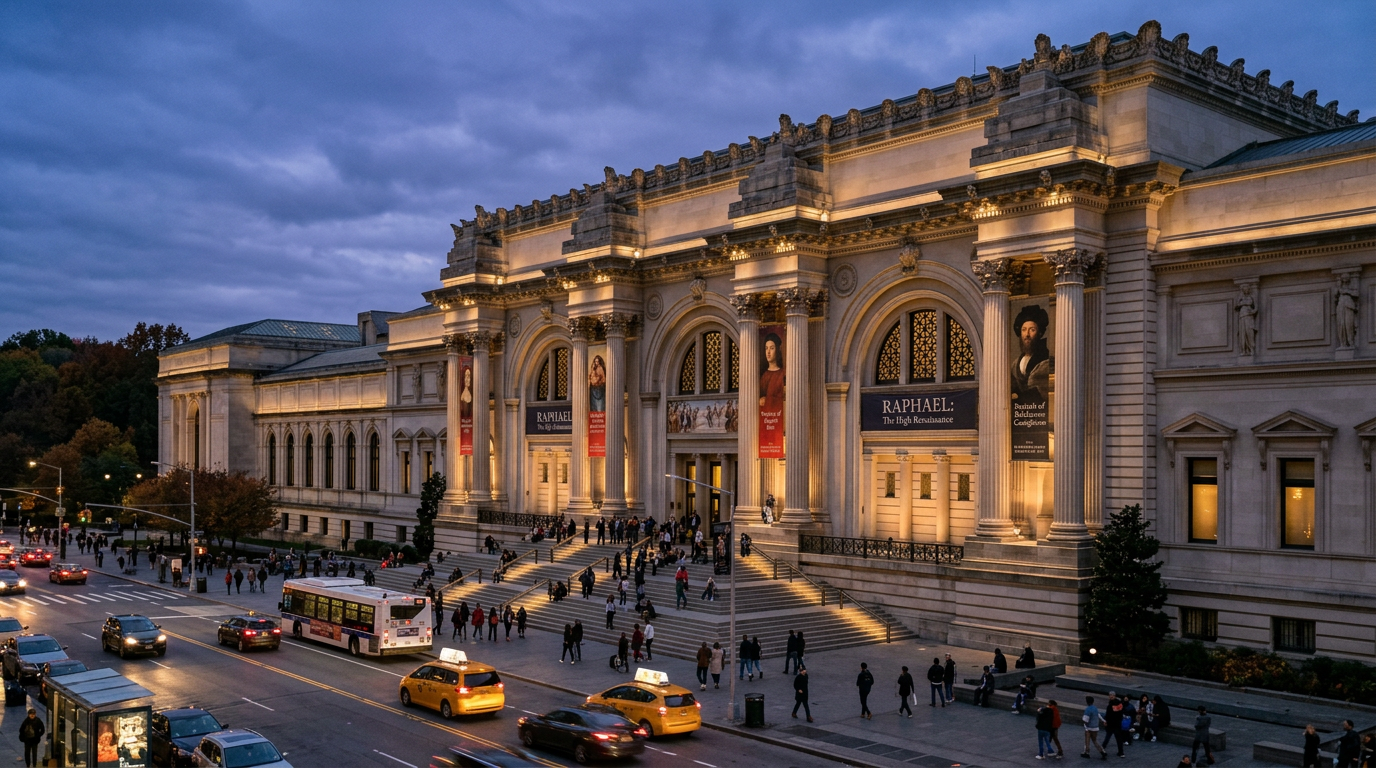
The arrival of Raphael Sanzio da Urbino’s comprehensive body of work at the Metropolitan Museum of Art in New York City is more than a mere triumph for the global art community; it is a calculated masterclass in cultural diplomacy and the enduring legacy of soft power. For the first time in United States history, the "sublime perfection" of this Renaissance titan is being presented in a consolidated retrospective, signaling a significant alignment between European cultural heritage and American institutional prestige. As the world watches shifting geopolitical tides, the Metropolitan Museum of Art—a pillar of New York’s international standing—is leveraging the high-stakes world of fine art to reinforce the city’s status as the definitive capital of Western civilization.
In the annals of history, Raphael was never simply a painter; he was an architect of the Catholic Church’s visual identity and a diplomat of the High Renaissance. His work within the Vatican Stanze provided the aesthetic justification for the Papacy’s moral and temporal authority. By bringing these works to the United States, the curators are not only showcasing artistic perfection in brushwork but are also highlighting the historical nexus where art meets political maneuvering. The Raphael exhibition serves as a poignant reminder that the Renaissance was as much about the consolidation of ideological power as it was about the rebirth of humanism. In the halls of the Met, the harmonious proportions and theological clarity of Raphael’s Madonnas and portraits act as a bridge between the old-world aristocratic order and the modern democratic patron.
From a policy perspective, the logistics of such an exhibition are immense and inherently political. This retrospective represents years of complex bilateral negotiations between the Metropolitan Museum of Art and various European institutions, including the Vatican and the Uffizi Gallery. These cultural exchanges serve as "track two" diplomacy, maintaining strong ties between nations through the shared language of beauty and history. In an era where international relations are often defined by trade tariffs and defense pacts, the exhibition of Raphael’s work provides a rare moment of consensus. It underscores the critical importance of the National Endowment for the Arts and private philanthropic foundations in maintaining the cultural infrastructure of the United States as a tool for international engagement.
Critics and political observers alike must acknowledge that the curation of Raphael is also a statement on American exceptionalism. Hosting the first comprehensive exhibition of its kind on U.S. soil is a prestige project that rivals any technological achievement in terms of cultural optics. It suggests that despite the digital revolution, the physical possession and display of history’s greatest masterworks remain the ultimate indicator of a nation’s stability, wealth, and intellectual stewardship. As visitors walk through the galleries, they are seeing more than art; they are seeing the visual vocabulary of the Western political tradition—of balance, order, and the relentless pursuit of an ideal state. Raphael’s perfection, therefore, is not just a relic of the past; it is a standard against which the contemporary world continues to measure its own aspirations for civility and grace.
About Thomas Keller
Political Correspondent
Agriculture Policy Analyst tracking farm bills, rural development, and food safety regulations.
View Full Profile & Work →Continue Briefing
Additional intelligence reports from the network
More Headlines

Sen. Chris Coons Weighs in on Trump's New Nominee for National Intelligence Director
JUN 12 • 2026, 5:00 AM ET
Trump Nominates Jay Clayton to Serve as Director of National Intelligence
JUN 12 • 2026, 5:00 AM ET


Air India Crash Families' Year-Long Battle to Identify Remains of Victims
JUN 12 • 2026, 4:01 AM ET