
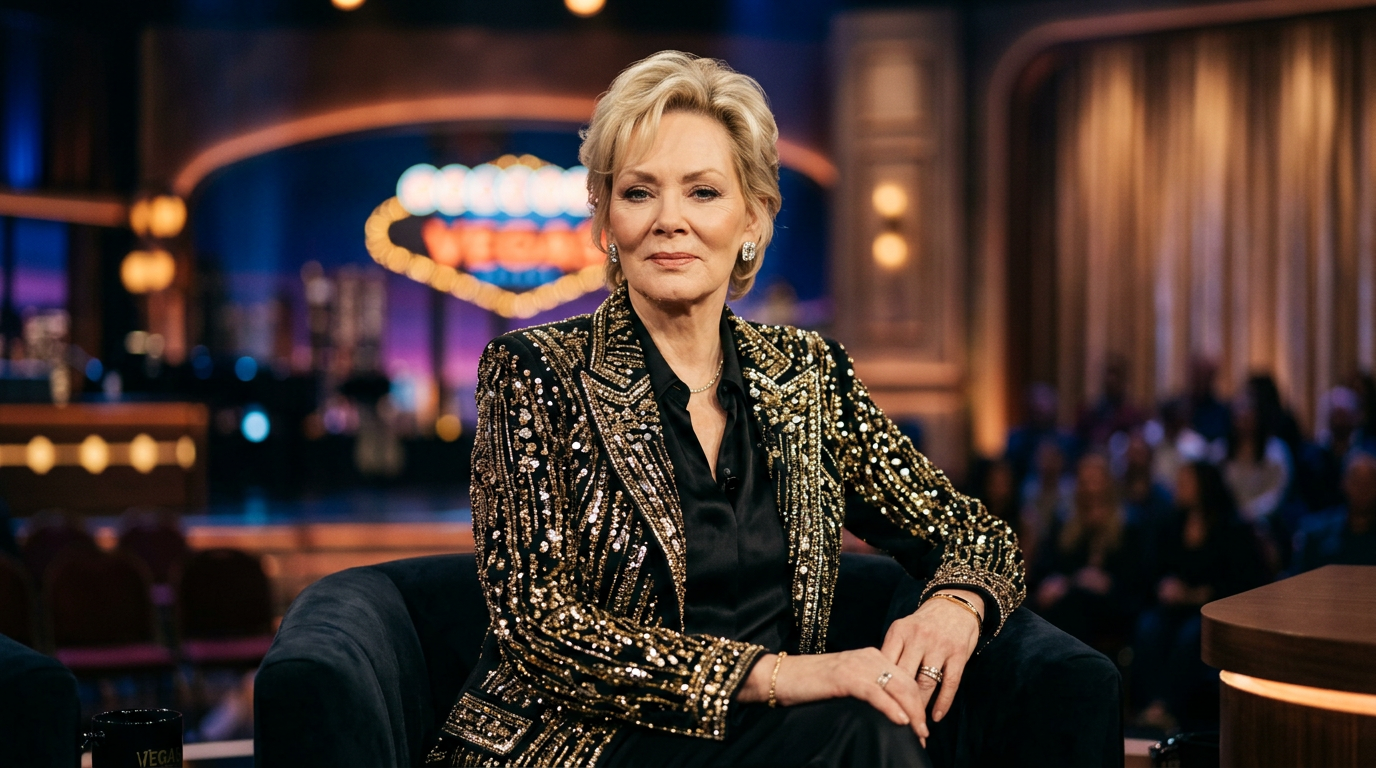
The television landscape is often defined by its titans, those rare figures whose longevity transcends the fickle nature of ratings and trends. Jean Smart, a multi-Emmy-winning powerhouse, stands at the pinnacle of this elite group. In a recent extended conversation with CBS News correspondent Tracy Smith, Smart opened up about the bittersweet reality of filming the final season of "Hacks," the HBO series that reinvigorated her status as a leading lady and redefined the "comeback" narrative for a modern audience. As the series approaches its conclusion, the dialogue surrounding Smart’s portrayal of Deborah Vance has shifted from mere appreciation of comedic timing to a deeper analysis of how power and gender intersect in the entertainment industry.
Throughout the interview, Smart remains characteristically humble yet insightful. She delves into the complexities of Vance, a character who mirrors the struggles of legendary female comedians who were often relegated to the sidelines once they reached a certain age. "Hacks" changed that script, placing a woman of a certain vintage not just at the center of the story, but as the engine of its success. This narrative shift is significant. Under the guidance of creators Lucia Aniello, Paul W. Downs, and Jen Statsky, the show challenged the industry’s preconceived notions about marketability and the shelf life of female talent. Smart’s performance turned Deborah Vance into a symbol of resilience, a woman who refuses to be silenced by a changing world or a cynical young assistant.
The rapport between Smart and Smith highlights the personal stakes involved in saying goodbye to such a pivotal role. The final season is not just a wrap on a production; it is the culmination of a creative journey that saw Smart navigate personal loss and professional triumph simultaneously. Smith’s questioning probes the emotional depth required to bring Vance to life, particularly in the later episodes where the veneer of the hardened Vegas comedian begins to crack, revealing the vulnerability beneath the sequins. Smart admits that the bond formed with the cast and crew, especially with co-star Hannah Einbinder, has been the highlight of the experience, creating a workplace environment that she describes as uniquely supportive.
From a broader industry perspective, "Hacks" has served as a cornerstone for HBO’s streaming strategy. At a time when digital platforms are desperately seeking "prestige" content that also appeals to a broad demographic, the series managed to bridge the generational gap. It attracted both older viewers who remembered the era of Joan Rivers and Phyllis Diller, and younger audiences who identified with the struggles of the modern gig economy and social media relevance. The show’s conclusion marks the end of a specific chapter in the "prestige TV" era, leaving a void that will be difficult to fill with any other satirical comedy of its caliber.
As we look toward the final episodes, the legacy of Jean Smart’s Deborah Vance is already secured. She has proven that global audiences are hungry for authentic, complicated depictions of women who are as flawed as they are brilliant. Smart’s interview with Tracy Smith serves as a poignant reminder that while seasons may end, the impact of a transformative performance lingers long after the credits roll. For Smart, the road ahead remains bright with new opportunities, but for the fans of "Hacks," the final curtain call will undoubtedly be met with a standing ovation for a job exceptionally well done.
About Marcus Thorne
Political Correspondent
Investigative Journalist specializing in campaign finance and lobbying efforts. Marcus breaks down the money behind the votes.
View Full Profile & Work →Continue Briefing
Additional intelligence reports from the network
More Headlines

Sen. Chris Coons Weighs in on Trump's New Nominee for National Intelligence Director
JUN 12 • 2026, 5:00 AM ET
Trump Nominates Jay Clayton to Serve as Director of National Intelligence
JUN 12 • 2026, 5:00 AM ET


Air India Crash Families' Year-Long Battle to Identify Remains of Victims
JUN 12 • 2026, 4:01 AM ET