
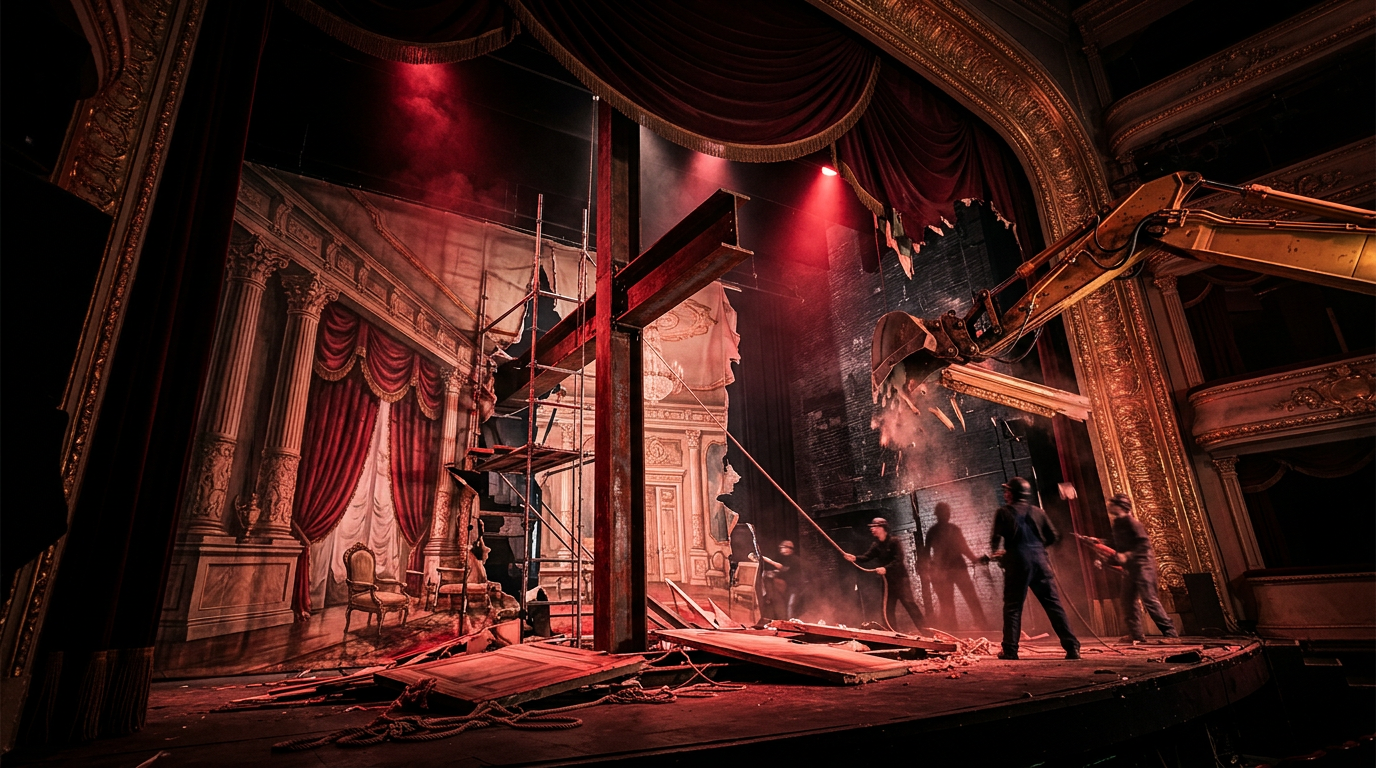
The curtains rise not on the soft sighs of a dying aristocracy, but on a visceral scream. In the spring of 2026, the global theater world is witnessing an unprecedented transformation of Anton Chekhov’s canon. As analyzed in recent critiques and exemplified by the works of Michael DeFilippis, Dmitry Krymov, and Aleksandr Molochnikov, the traditional "Chekhovian" atmosphere of languid despair has been replaced by what experts call a "burning, modern rage." To the senior political observer, this shift is significantly more than an aesthetic evolution; it is a raw manifestation of the collective frustration currently boiling over within our civic institutions and democratic structures.
For decades, Chekhov was widely regarded as the poet of the impotent. His characters—provincial doctors, failing landowners, and yearning sisters—were famously trapped in the amber of their own indecision. Today, under the direction of Molochnikov and Krymov—both of whom have navigated the precarious and often dangerous intersections of art and state authority—these plays have been retooled as political manifestos. In the latest staging of The Seagull, the struggle for artistic recognition is no longer framed as a private tragedy of the ego. Instead, it serves as a scathing critique of a meritocracy that has fundamentally failed the youth. In Uncle Vanya, the environmental and economic grievances of the rural elite echo the populist surges currently disrupting global capitals from Paris to Washington.
Dmitry Krymov’s involvement is particularly telling in this context. Known for his visual audacity and his history of working under the shadow of authoritarianism, his current interpretation of Ivanov strips away the traditional gentlemanly boredom. He replaces it with a frantic, industrial anxiety that mirrors the contemporary political landscape where the concept of a "quiet life" is increasingly seen as an extinct luxury. The rage DeFilippis identifies in these productions is the same rage seen in recent polling data regarding institutional trust. When the characters on stage lament their lack of purpose, they are speaking directly to a generation of voters who feel discarded by the technocratic machinations of the modern state.
From a political editorial perspective, we must ask: why Chekhov, and why now? The answer lies in the realization that we are living in a "Chekhovian moment"—a historical period where the old world is dying and the new one is struggling to be born. However, unlike the 19th-century subjects of these plays, the 2026 audience is not content to wait for a "working" future that never arrives. The productions by DeFilippis, Krymov, and Molochnikov serve as a mirror to the electorate’s own mounting impatience. They have weaponized the classics to address the systemic stagnation of the present.
The intersection of culture and politics is often where the most significant societal shifts are first articulated. If the theater is the "conscience of the state," as often claimed by playwrights through history, then the current state of the state is one of profound, unmitigated anger. As these directors strip Chekhov of his traditional gentility, they remind us that the distance between a drawing-room drama and a political uprising is much shorter than many policymakers would like to admit. The "burning, modern rage" identified by critics is the heartbeat of a world on the brink, finding its voice through the timeless, yet suddenly dangerous, scripts of the past. It is a warning that when people stop talking about their boredom, they start acting on their fury.
About Sarah Jenkins
Political Correspondent
Congressional Correspondent with a focus on committee hearings and bipartisan legislation. Sarah brings clarity to complex floor debates.
View Full Profile & Work →Continue Briefing
Additional intelligence reports from the network
More Headlines


Ukraine's Drone Strikes: A 'Justified' Response to Russian Aggression?
MAY 18 • 2026, 5:01 AM ET
Driver of Crashed Train in Thailand Tested Positive for Drugs, Raises Concerns Over Safety
MAY 18 • 2026, 4:02 AM ET
Eurovision 2024: Bulgaria's Dara Takes the Crown, Ukraine Breaks a Record
MAY 18 • 2026, 4:01 AM ET
