
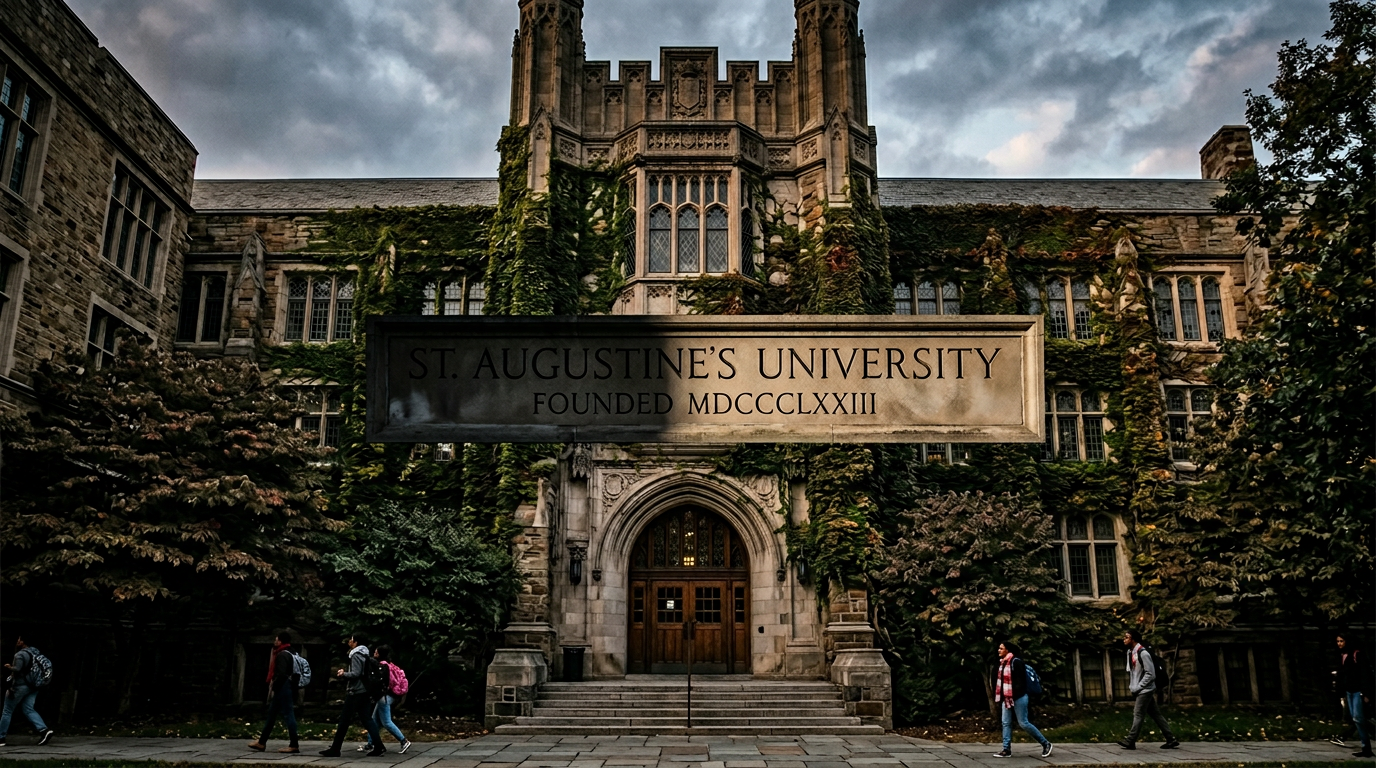
The corridors of American academia are increasingly becoming battlegrounds for institutional accountability as student activists and faculty members intensify their demands for the removal of donor names linked to the late financier Jeffrey Epstein. For years, the philanthropic influence of Epstein’s inner circle has been immortalized in stone and brass across prestigious campuses. However, a new wave of scrutiny is forcing universities to choose between the sanctity of their historical endowments and the ethical standards demanded by their modern constituents.
At the center of this burgeoning controversy are Harvard University and Ohio State University, both of which have received substantial support from high-profile individuals whose associations with Epstein have come under renewed fire. The debate is no longer just about the disgraced financier himself, but rather about the "secondary degree of separation"—the network of billionaires and influencers who maintained social or business ties with him long after his initial legal troubles began. Student leaders argue that maintaining these names on libraries and research centers serves as a tacit endorsement of the systemic abuses Epstein perpetrated.
Administrative responses have remained conspicuously cautious. At Harvard, where the legacy of Epstein’s own donations has been a point of contention for nearly a decade, the administration has faced repeated calls to evaluate the standing of several major donors whose names grace the university’s physical infrastructure. These buildings often represent more than just real estate; they are symbols of the elite networks that define the Ivy League experience. To strip a name is to acknowledge a lapse in institutional judgment, a move that legal experts suggest could trigger complex litigation over naming rights and breach of contract.
Similarly, at Ohio State University, the pressure has reached a fever pitch. Activists are pointing to the longstanding relationships between university benefactors and the Epstein circle as evidence of a culture that prioritized financial gain over moral clarity. The challenge for these institutions is twofold: they must navigate the immediate PR crisis while also considering the long-term impact on future fundraising efforts. If the names of current donors are removed based on their social associations, it could create a "chilling effect" among other high-net-worth individuals who fear future reputational shifts.
From a political perspective, this movement reflects a broader societal trend toward radical transparency. The younger generation of scholars is less inclined to accept the "philanthropic washing" of controversial reputations. As these students organize protests and circulate petitions, they are effectively demanding a redefinition of the social contract between the university and its patrons. The question remains whether these institutions will lead this change or be dragged into it by the weight of public opinion.
As of late March 2026, no major university has yet committed to the removal of these specific names. However, the silence from university boards is becoming increasingly deafening. While legal teams pore over the fine print of gift agreements, the moral architecture of these campuses continues to be tested. The resolution of this conflict will likely set the gold standard for how higher education addresses the uncomfortable intersection of money, power, and ethics in the decades to come.
About Aisha Tariq
Healthcare Policy Analyst tracking Medicare, Medicaid, and prescription drug legislation.
View full profile and workDiscussion
0Don't have an account? Subscribe for free to join the conversation.
More of today's reporting

Ohio State’s Late‑Game Collapse Sends Shockwaves Through College Football Landscape
SEP 13 • 2026, 4:50 AM ET
Saturday Morning Rundown: Trump’s Irish Sojourn, Ground Zero Sketches and Dreamy Honeymoons
SEP 13 • 2026, 4:50 AM ET
Arch Manning’s Late‑Game Heroics Ignite Texas comeback, toppling No. 1 Ohio State
SEP 13 • 2026, 2:51 AM ET
Celine Dion Overcomes Rare Neurological Disorder to Perform First Concert in Six Years
SEP 13 • 2026, 2:50 AM ET
Unstitching the 1,000‑Year‑Old Story: How the Bayeux Tapestry Became a Political Canvas in London
SEP 13 • 2026, 2:50 AM ET