
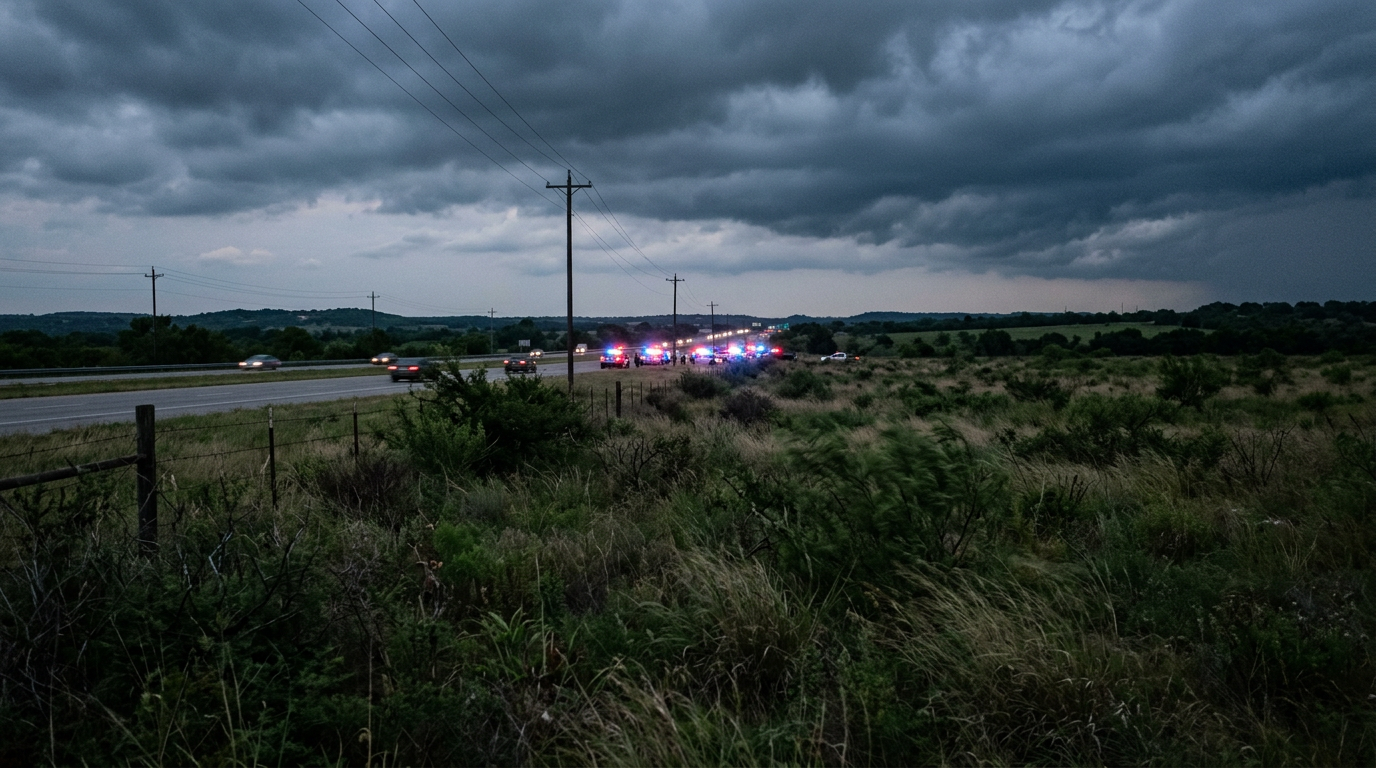
The haunting stretch of land along Interstate 45 between Houston and Galveston, colloquially known as the "Texas Killing Fields," has long served as a grim monument to unsolved violence and the limitations of 20th-century forensic science. For decades, the families of dozens of young women whose bodies were discovered in this desolate patch of League City have lived in a state of suspended grief. Today, a significant breakthrough has emerged as prosecutors announced formal charges against a man allegedly connected to two deaths tied to this notorious site.
The suspect, identified as James Dolphs Elmore Jr., faces charges that represent a potential turning point in a saga that has spanned nearly fifty years. The "Texas Killing Fields" refers to a 25-acre area where more than 30 bodies have been recovered since the 1970s. While many of these cases remain cold, the indictment of Elmore signals a renewed vigor within the Galveston County District Attorney’s office. This development is not merely a win for local law enforcement; it is a testament to the evolving intersection of political will and technological advancement.
From a policy perspective, the pursuit of Elmore underscores the critical importance of cold case funding and the legislative push for expanded DNA databases. For years, advocates and victim-rights organizations have lobbied state and federal governments to allocate resources toward genetic genealogy and forensic re-evaluations. The Texas Legislature has, in recent sessions, prioritized funding for these initiatives, recognizing that the passage of time does not diminish the state's obligation to seek justice. The political pressure on elected prosecutors to close these high-profile cases is immense, particularly in a region where the "Killing Fields" have become part of the local cultural and psychological landscape.
The specifics of the charges against Elmore highlight the meticulous nature of modern criminal investigations. While the original reports note his connection to two specific deaths, the broader implications of his arrest could potentially provide leads for other cold cases within the same geographic corridor. Law enforcement officials have often faced criticism for their handling of these cases in the 1980s and 1990s, with allegations of jurisdictional friction and insufficient investigation techniques. This new indictment offers an opportunity for institutional redemption, demonstrating that modern investigative standards can bridge the gaps left by previous generations of investigators.
As this legal process moves forward, the focus remains on the judicial system's ability to handle cases where memories have faded but physical evidence remains. The prosecution of Elmore will likely be a complex affair, requiring the careful synthesis of historical testimony and modern forensic data. For the community of League City and the families of the victims, the movement in these cases provides a long-overdue sense of progress. It serves as a reminder that the wheels of justice, though often grinding slowly, can eventually find their mark when supported by the right combination of political support and scientific innovation. The legacy of the Texas Killing Fields may never fully be erased, but every indictment brings the region one step closer to closing a dark chapter of its history.
About Samuel Garza
Political Correspondent
Foreign Affairs Correspondent analyzing US diplomatic relations, treaties, and international conflicts.
View Full Profile & Work →Continue Briefing
Additional intelligence reports from the network
More Headlines

Sen. Chris Coons Weighs in on Trump's New Nominee for National Intelligence Director
JUN 12 • 2026, 5:00 AM ET
Trump Nominates Jay Clayton to Serve as Director of National Intelligence
JUN 12 • 2026, 5:00 AM ET


Air India Crash Families' Year-Long Battle to Identify Remains of Victims
JUN 12 • 2026, 4:01 AM ET