
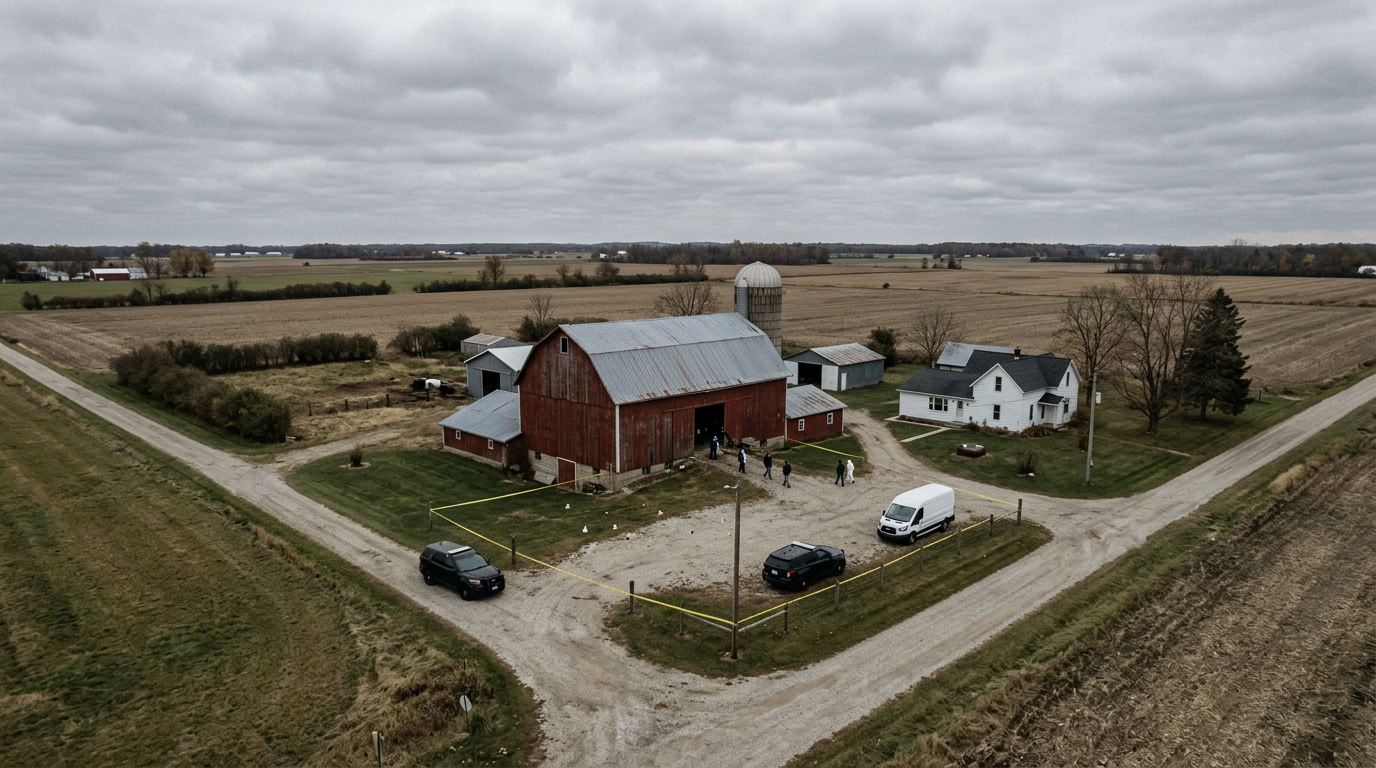
The disappearance of Dee Warner in April 2021 from her Franklin Township home sparked a complex legal saga in Michigan, highlighting the profound difficulties law enforcement faces when seeking justice in "no-body" homicide cases. While the disappearance of the 52-year-old businesswoman and mother initially appeared to be a missing person case, the investigation quickly pivoted toward foul play, with her husband, Dale Warner, becoming the central figure of suspicion. For years, the case stalled due to the absence of physical evidence and a cadaver, leading to intense public debate over whether the Michigan legal system could secure a conviction based solely on circumstantial evidence.
Legal experts note that while prosecuting a murder without a body is historically challenging, it is not impossible under Michigan law. The primary hurdle for the Lenawee County Prosecutor’s Office has been establishing the corpus delicti—the principle that a crime must be proven to have occurred before a person can be convicted. In traditional murder trials, the body serves as the ultimate proof of death and often provides critical forensic clues regarding the cause and manner of killing. Without it, prosecutors must rely on a "web of circumstances," including the victim's sudden cessation of all life activities, financial records, cell phone data, and the behavior of the accused.
In the Warner case, the family’s persistent advocacy has been a driving force. They pointed to the fact that Dee, a dedicated mother and savvy entrepreneur, left behind her phone, car, and all personal belongings—behavior entirely inconsistent with someone intending to start a new life. Investigators scrutinized Dale Warner’s accounts of the night she vanished, finding inconsistencies that fueled their theory of a domestic altercation turning fatal. The case took a significant turn when authorities eventually moved forward with charges, reflecting a growing national trend where forensic technology and digital footprints help bridge the gap left by missing physical evidence.
The broader implications of this case resonate throughout the American judicial system. "No-body" prosecutions require a high degree of confidence from the jury, as the defense will inevitably argue that the victim may still be alive or left voluntarily. To counter this, Michigan investigators utilized advanced search techniques, including ground-penetrating radar and extensive excavations of the Warner property, though these efforts initially yielded no remains. Despite these setbacks, the legal strategy shifted toward proving "impossible absence"—the idea that no person would voluntarily disappear without a trace for such an extended period without contact or financial movement.
As the proceedings move through the Michigan court system, the Warner case serves as a litmus test for modern investigative techniques. It underscores the shift from relying on traditional forensic pathology to a more holistic, data-driven approach to criminal justice. Whether the prosecution can convince a jury beyond a reasonable doubt without the ultimate piece of evidence remains the pivotal question. For the family of Dee Warner, the quest for a conviction is not just about punishment, but about the formal recognition of her death and the closure that has eluded them since that spring night in 2021. This case continues to be a focal point for criminal justice reform advocates and legal analysts alike.
About Kevin Brooks
Political Correspondent
Transportation Policy Correspondent covering aviation, rail safety, and public transit funding.
View Full Profile & Work →Continue Briefing
Additional intelligence reports from the network
More Headlines

Sen. Chris Coons Weighs in on Trump's New Nominee for National Intelligence Director
JUN 12 • 2026, 5:00 AM ET
Trump Nominates Jay Clayton to Serve as Director of National Intelligence
JUN 12 • 2026, 5:00 AM ET


Air India Crash Families' Year-Long Battle to Identify Remains of Victims
JUN 12 • 2026, 4:01 AM ET