
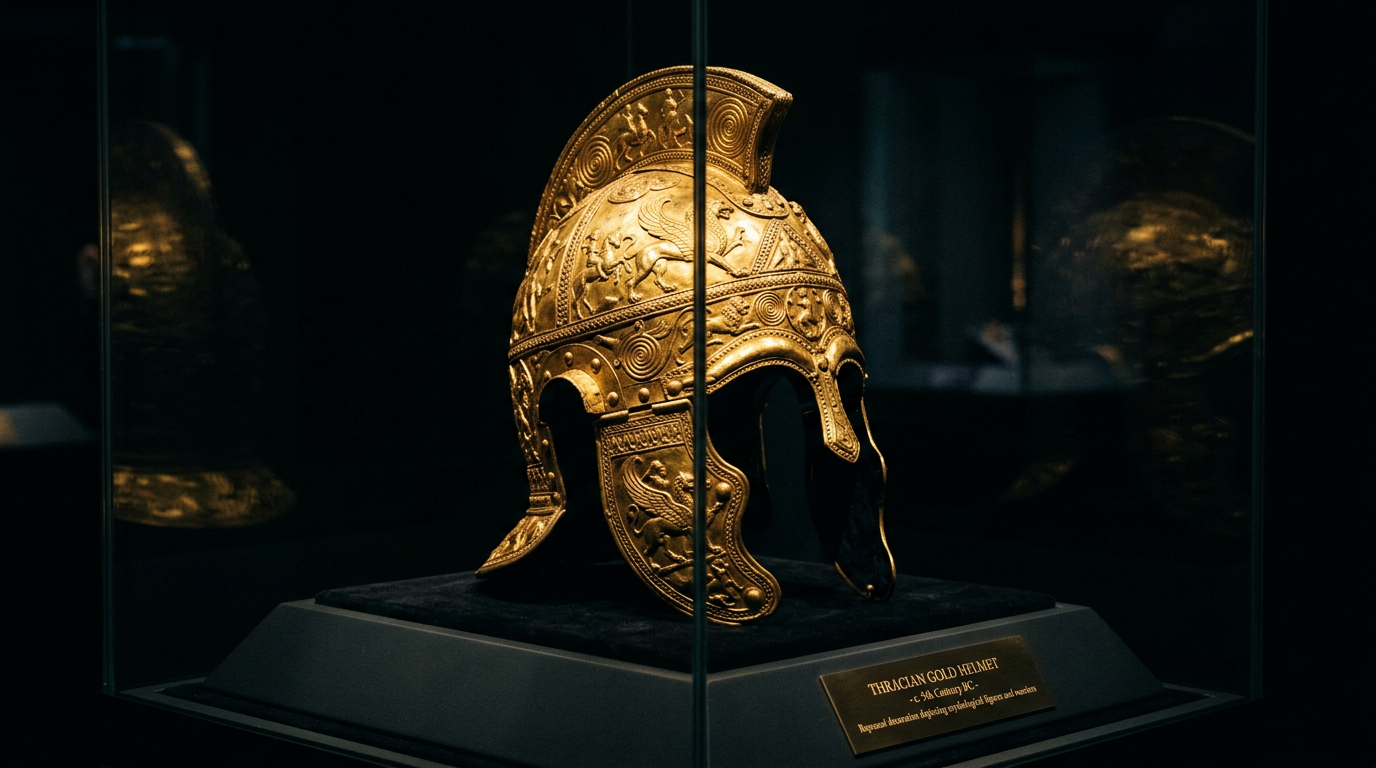
The brazen theft of the 5th-century BC golden Helmet of Cotofenesti from the Drents Museum in 2025 was more than just a local burglary; it was a calculated assault on global cultural heritage. The heist, which involved the strategic use of high-intensity firework bombs to breach the museum's defenses, resulted in the loss of one of the most significant artifacts of the ancient world, alongside three priceless gold bracelets. However, a year after the artifact vanished into the criminal underworld, the world-renowned Dutch art detective Arthur Brand has confirmed the recovery of these treasures, marking a rare victory for law enforcement in the volatile market of illicit antiquities.
From a political and security perspective, the 2025 Drents Museum heist exposed critical vulnerabilities in the protection of national treasures across European institutions. The use of explosive devices—specifically modified firework bombs—indicated a level of escalation in criminal tactics that many regional museums were unprepared to handle. As a senior political editor, one must view this through the lens of legislative failure and the need for heightened diplomatic pressure. The ease with which these artifacts were initially moved highlights the persistent gaps in international regulations, such as the 1970 UNESCO Convention, intended to curb the trafficking of cultural property. While the recovery is a cause for celebration, it serves as a stark reminder that the black market for ancient relics remains a multi-billion dollar industry that often funds transnational organized crime syndicates.
The role of Arthur Brand in this recovery cannot be understated. Brand, who has built a reputation for navigating the shadowy intersections of the criminal underworld and the elite art world, reportedly acted as a crucial mediator. This raises significant questions regarding the intersection of private investigation and official state police work. Often, these artifacts are recovered not through traditional forensic investigation, but through high-level negotiations and the promise of anonymity for those who find themselves in possession of "hot" merchandise. This pragmatic approach, while effective, often bypasses the judicial punishments that might deter future thefts, creating a complex ethical dilemma for cultural ministries in the Netherlands and the countries of origin.
The Helmet of Cotofenesti itself is a symbol of Thracian-Getic power, representing a historical link to the 5th century BC. Its return is a matter of profound national pride, as its intricate goldwork and ceremonial significance are unparalleled. Politically, the successful return of such items fosters diplomatic goodwill between nations, demonstrating that international cooperation can overcome the reach of organized crime. Moving forward, policymakers must prioritize the modernization of museum security infrastructure and the tightening of border controls regarding the export of unprovenanced artifacts.
As the helmet returns to the public eye, the focus must shift to the systemic reasons for its initial disappearance. We must demand increased transparency from auction houses and private collectors, who often provide the demand that fuels such high-risk robberies. The recovery of the golden helmet is a win for the preservation of history, but the fight against the systemic exploitation of our shared past is far from over. This incident should serve as the catalyst for a more robust, unified European response to cultural racketeering, ensuring that the firework bombs of 2025 remain a dark anomaly rather than a blueprint for future heists.
About Christopher Hayes
Political Correspondent
Veterans Affairs Reporter dedicated to tracking legislation and policy impacting military veterans.
View Full Profile & Work →Continue Briefing
Additional intelligence reports from the network
More Headlines

Sen. Chris Coons Weighs in on Trump's New Nominee for National Intelligence Director
JUN 12 • 2026, 5:00 AM ET
Trump Nominates Jay Clayton to Serve as Director of National Intelligence
JUN 12 • 2026, 5:00 AM ET


Air India Crash Families' Year-Long Battle to Identify Remains of Victims
JUN 12 • 2026, 4:01 AM ET