
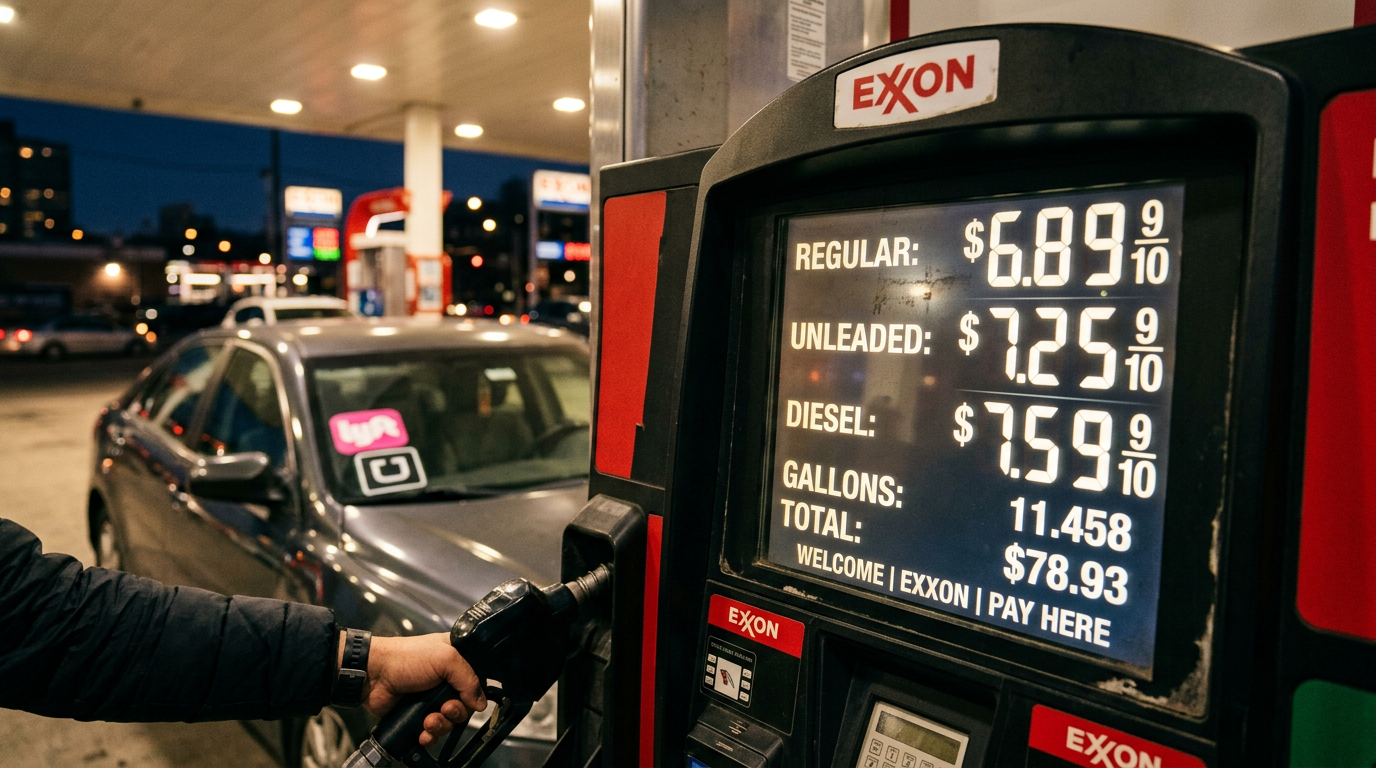
The escalating cost of fuel in early 2026 has reignited a fierce debate over the sustainability of the gig economy model, specifically within the ride-hailing sector. As gas prices surge to record highs, Uber and Lyft have introduced a series of fuel relief measures, yet the consensus among the driver workforce is one of profound dissatisfaction. From a political and business perspective, this tension highlights a systemic vulnerability in the labor structure that underpins modern urban mobility and the broader platform economy.
Uber and Lyft recently announced temporary fuel surcharges ranging from $0.45 to $0.55 per trip, intended to mitigate the pain at the pump for their millions of contractors. While the companies frame these moves as proactive support, labor advocates and drivers argue the math simply does not add up. For a driver completing twenty trips a day, an extra ten dollars barely covers the increased cost of a single gallon of premium fuel in major metropolitan areas. This discrepancy has pushed many drivers toward a breaking point, forcing a difficult choice between operating at a net loss or abandoning the platform entirely at a time when consumer demand remains high.
The political fallout is already beginning to manifest in state legislatures across the country. According to statements from the Independent Drivers Guild, the current surcharge system is a "performative gesture" that fails to account for the deadhead miles—the distance driven without a passenger—for which drivers receive no compensation or fuel assistance. This critique has fueled renewed calls for more robust regulatory oversight. Lawmakers in California and New York are reportedly considering mandates that would tie driver compensation directly to real-time fuel price indices, a move that would fundamentally shift the risk of energy volatility from the individual contractor back to the multi-billion-dollar corporations.
From a corporate strategy lens, Uber and Lyft are caught in a classic pincer maneuver. Increasing surcharges too aggressively risks alienating a price-sensitive consumer base already weary of general inflation. However, failing to provide adequate relief risks a supply-side collapse as drivers migrate to more stable employment or traditional delivery roles with shorter routes. The current corporate strategy appears to be a defensive crouch, hoping for a stabilization in global energy markets that remains elusive in the current geopolitical climate.
The broader implications for national labor policy are significant. This crisis exposes the inherent fragility of the "independent contractor" status when extreme external economic shocks occur. Without the safety nets of traditional employment, gig workers are the first to suffer when macro-trends shift unfavorably. As the 2026 election cycle approaches, the plight of the gig driver is likely to become a central talking point for labor-aligned candidates, potentially leading to a new wave of "fair pay" legislation that could redefine the gig economy for the next decade. Ultimately, these gas relief programs are less about corporate charity and more about the desperate preservation of a labor pool that is increasingly realizing its own structural precarity.
About David Chen
Political Correspondent
Tech Policy Reporter analyzing the intersection of Silicon Valley and Washington. David tracks AI regulation and data privacy laws.
View Full Profile & Work →Continue Briefing
Additional intelligence reports from the network
More Headlines

Sen. Chris Coons Weighs in on Trump's New Nominee for National Intelligence Director
JUN 12 • 2026, 5:00 AM ET
Trump Nominates Jay Clayton to Serve as Director of National Intelligence
JUN 12 • 2026, 5:00 AM ET


Air India Crash Families' Year-Long Battle to Identify Remains of Victims
JUN 12 • 2026, 4:01 AM ET