
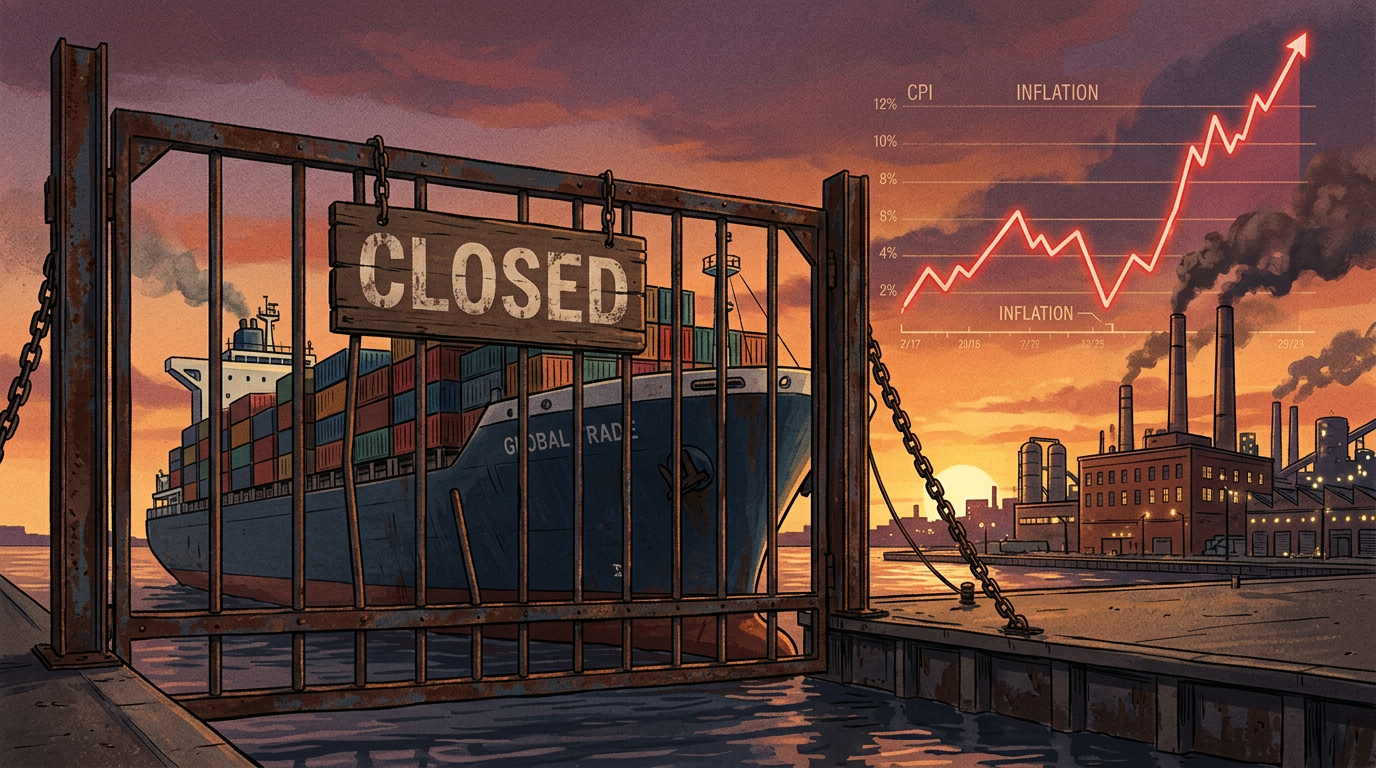
April 2, 2026, marks the official first anniversary of what the Trump administration famously branded "Liberation Day"—the decisive moment a sweeping regime of double-digit tariffs was imposed on a vast array of global imports. The move was initially framed as a grand structural recalibration of the American economy, designed to reshore vital manufacturing, slash persistent trade deficits, and ignite a domestic industrial boom the likes of which had not been seen in decades. However, as the twelve-month milestone passes, the empirical data suggests a reality far removed from the administration’s optimistic projections. According to a comprehensive analysis by NPR, the expected surge in domestic production has been largely neutralized by rising operational costs and cooling consumer demand.
The core of the "Liberation Day" policy rested on the ideological belief that taxing foreign goods would force an immediate pivot back to American-made products. Yet, for many critical sectors, the transition has been fraught with logistical and financial hurdles that were arguably underestimated by policymakers. Small to mid-sized manufacturers, who remain heavily reliant on specialized components and materials sourced from overseas, have reported that the price hikes on raw materials have eroded their profit margins. Instead of doubling down on domestic hiring or building new facilities, many of these firms have been forced to pause expansion plans or implement hiring freezes to stay afloat. A recent data release from the U.S. Department of Commerce further highlights this trend, indicating that while specific niches like primary metals saw a marginal uptick in revenue, the broader manufacturing index has remained essentially stagnant over the last four quarters.
Inflation remains the most visible and politically sensitive scar of the tariff policy. Economists have long warned that import levies function as a regressive tax on domestic consumers, and the past year has seemingly validated those fears. Prices for electronics, automotive parts, and various household appliances have climbed steadily, often outpacing wage growth in several key blue-collar demographics. This persistent inflationary pressure has placed the Federal Reserve in a difficult position, as it attempts to balance the need to curb rising prices with the administration’s public demand for an aggressive pro-growth environment. The resulting market uncertainty has made long-term capital investment a risky proposition for many boardrooms.
Furthermore, the international response has been swift and predictably punitive. Major trading partners, including the European Union and several Pacific Rim nations, implemented strategic retaliatory tariffs targeting American agricultural exports. This has left American farmers—a key political constituency for the administration—facing shrinking foreign markets and depressed commodity prices for staples like soy and corn. While the administration has attempted to offer subsidy packages to mitigate the damage, industry analysts argue that these are merely temporary fixes for a structural loss of global market share that may take years to recover.
As we look toward the 2026 midterms, the debate over the effectiveness of these trade barriers has shifted from the theoretical to the practical. Proponents of the policy argue that a single year is too short a window to judge the long-term shifts in global supply chains, suggesting that current economic friction is a necessary "growing pain" for true economic independence. Conversely, critics point to cooling GDP growth and the absence of the promised industrial renaissance as evidence of protectionist overreach. For now, the "Liberation Day" legacy remains a central point of contention, with the American consumer left to foot the bill for an ongoing trade experiment.
About Kevin Brooks
Political Correspondent
Transportation Policy Correspondent covering aviation, rail safety, and public transit funding.
View Full Profile & Work →Continue Briefing
Additional intelligence reports from the network
More Headlines

Sen. Chris Coons Weighs in on Trump's New Nominee for National Intelligence Director
JUN 12 • 2026, 5:00 AM ET
Trump Nominates Jay Clayton to Serve as Director of National Intelligence
JUN 12 • 2026, 5:00 AM ET


Air India Crash Families' Year-Long Battle to Identify Remains of Victims
JUN 12 • 2026, 4:01 AM ET