
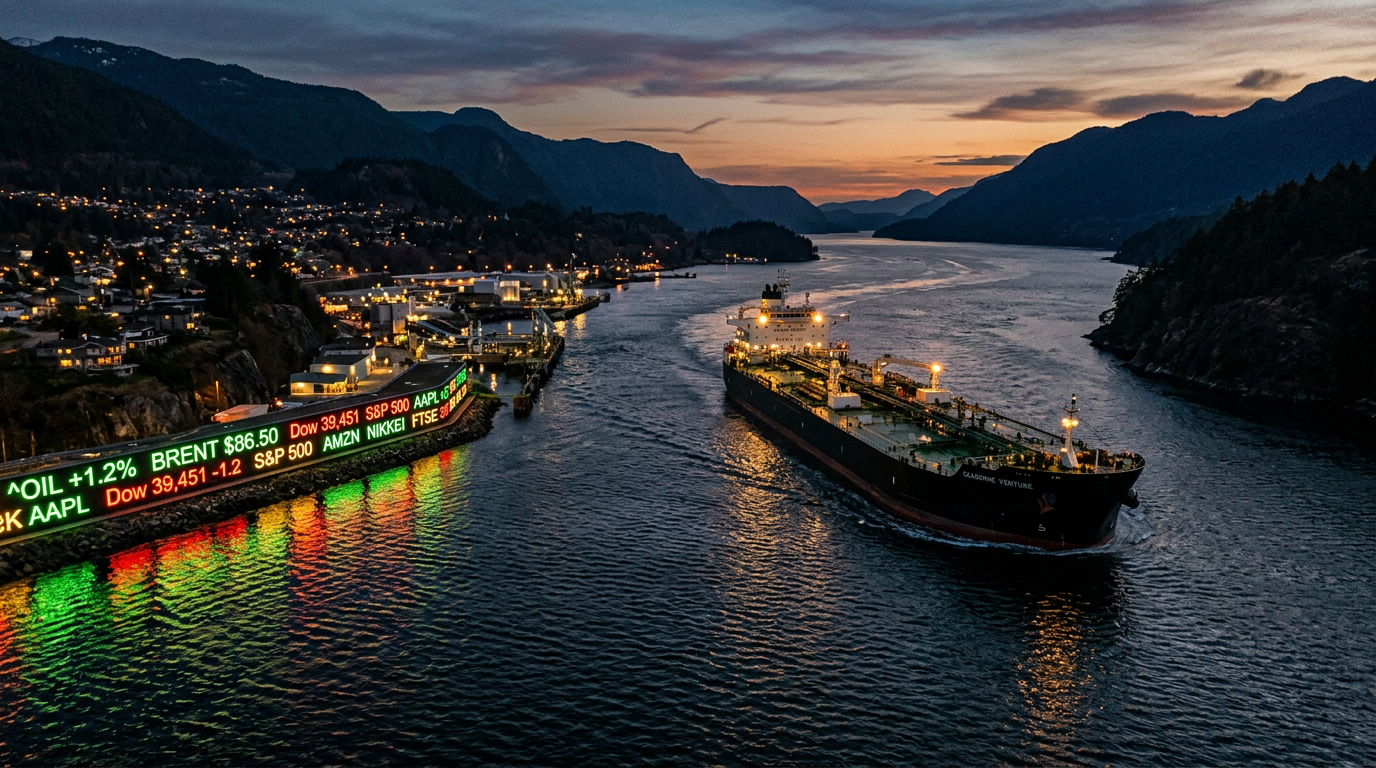
For years, the global energy market has moved in lockstep with the social media feed and public declarations of the White House. When tensions in the Middle East threatened to send crude prices soaring, a well-timed suggestion of a "diplomatic breakthrough" or a "possible meeting" from President Trump often acted as a cooling balm for nervous investors. However, as 2026 unfolds, that rhetorical lever appears to be losing its grip. Traders and energy analysts are increasingly viewing these peace signals not as harbingers of stability, but as tactical noise meant to suppress domestic gasoline prices during a critical political window.
The current standoff with Iran has reached a fever pitch that words alone can no longer dampen. Following a series of skirmishes and heightened naval presence in the Persian Gulf, the risk premium on Brent crude has become a permanent fixture of the daily ticker. In previous cycles, the President could knock five dollars off the price of a barrel simply by hinting at a "grand bargain." Today, the market requires more than a hint; it requires verifiable de-escalation, which has remained elusive. The "seesaw" approach—alternating between maximum pressure and sudden overtures—has created a credibility gap that is now reflected in the rising cost of energy stocks and consumer fuel.
Internal reports from market watchdogs suggest that the threshold for "believable peace" has shifted significantly. According to data from S&P Global Commodity Insights, the volatility index for energy commodities has spiked despite the administration's repeated assertions that a deal is "imminent." This skepticism is rooted in the physical reality of the region. Tanker insurance rates have tripled in the last quarter, and supply chain disruptions are no longer theoretical. When the administration suggests a pause in hostilities, the market looks at the positioning of carrier strike groups and sees a different story.
Furthermore, the domestic political pressure on the White House is immense. High oil prices are traditionally the kryptonite of any incumbent administration, particularly as midterm elections approach. By attempting to talk the price down, the President is engaged in a high-stakes game of psychological warfare with the trading floors of London and New York. But the trading floors are winning. They have learned to discount the rhetoric in favor of satellite imagery and regional troop movements. The "Trump Factor," once a primary driver of market sentiment, is being superseded by the raw mechanics of geopolitical risk.
The danger of this waning influence is twofold. First, it leaves the administration with fewer non-military tools to stabilize the global economy. Second, if the President actually does secure a genuine diplomatic opening, the markets may be too cynical to react in time to prevent a broader economic contraction. For the senior political strategist, the lesson is clear: credibility is a finite resource, and in the high-stakes world of global oil, it is currently in short supply. As Iran continues its path of defiance, the world watches not the teleprompter, but the tankers. Until the physical reality of the Strait of Hormuz changes, the verbal interventions from Washington will likely continue to fall on deaf ears.
About Rachel Vance
Political Correspondent
Justice Department Reporter covering federal courts and Supreme Court rulings impacting public policy.
View Full Profile & Work →Continue Briefing
Additional intelligence reports from the network
More Headlines

Sen. Chris Coons Weighs in on Trump's New Nominee for National Intelligence Director
JUN 12 • 2026, 5:00 AM ET
Trump Nominates Jay Clayton to Serve as Director of National Intelligence
JUN 12 • 2026, 5:00 AM ET


Air India Crash Families' Year-Long Battle to Identify Remains of Victims
JUN 12 • 2026, 4:01 AM ET