
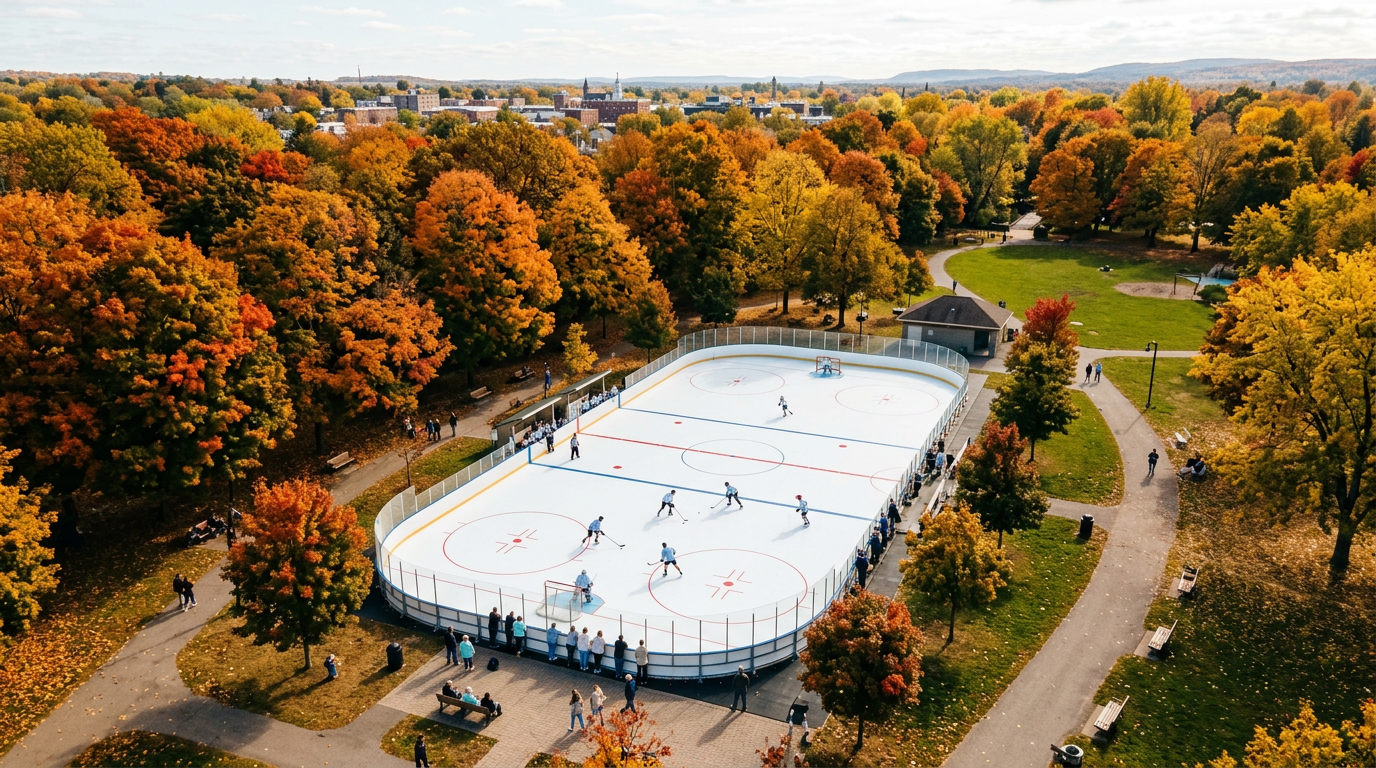
As global temperatures continue their relentless ascent, the quintessential image of winter—the outdoor hockey rink—is facing an existential crisis. To save the sport, many communities and private investors are pivoting to synthetic ice, a move that has sparked a fierce debate among climate activists and industry leaders. While these plastic panels offer a way to skate in sixty-degree weather without the massive energy consumption of industrial refrigeration, they bring a new set of environmental headaches: microplastics and petrochemical dependence.
The shift is not just a logistical adjustment but a political flashpoint. State legislatures in northern regions are beginning to weigh subsidies for synthetic rinks under the guise of 'climate adaptation.' However, groups like the Global Plastic Watch argue that substituting carbon-heavy refrigeration with permanent plastic installations is a 'false solution' that ignores the long-term ecological damage of synthetic polymers. According to a recent policy briefing from the Sustainable Sports Initiative, the manufacturing of a single community-sized synthetic rink produces more carbon emissions in its initial phase than three years of traditional rink cooling, though the synthetic version requires zero water or electricity thereafter.
For political leaders, the dilemma is acute. In states like Minnesota and Michigan, hockey is more than a pastime; it is a cultural cornerstone that drives local economies. Denying the transition to synthetic ice could mean the death of local leagues, yet embracing it risks alienating a base that is increasingly wary of the 'plasticization' of the planet. Conservative lawmakers have largely framed the move as a pragmatic victory for innovation and personal freedom, allowing the game to thrive regardless of federal climate failures. Conversely, progressive legislators are pushing for strict regulations on the composition of these synthetic surfaces, demanding 'closed-loop' recycling mandates that the industry says are currently unfeasible.
The Synthetic Rink Association, an industry lobbying group, argues that the criticism is misplaced. Their data suggests that as traditional outdoor rinks require more energy to maintain ice in warming winters, the ecological footprint of mechanical refrigeration will eventually dwarf that of plastic. They point to the massive water waste associated with melting rinks as a secondary environmental catastrophe. Yet, the specter of microplastic runoff—where tiny shards of plastic are shaved off by skates and washed into local watersheds—remains a potent argument for environmentalists who believe we cannot plastic-wrap our way out of a climate emergency.
Ultimately, the 'plastic ice' controversy reflects a broader trend in climate politics: the move toward simulation as a means of survival. As the natural world becomes less hospitable to traditional human activities, we are forced to build artificial facsimiles. The political battle over the future of hockey is merely the opening period of a much longer game concerning how we will adapt to a warming world, and whether our solutions will merely create new problems for the next generation to solve.
About Emily Watson
Political Correspondent
Civil Rights Correspondent covering legislation related to voting rights, equality, and systemic justice.
View Full Profile & Work →Continue Briefing
Additional intelligence reports from the network
More Headlines

Sen. Chris Coons Weighs in on Trump's New Nominee for National Intelligence Director
JUN 12 • 2026, 5:00 AM ET
Trump Nominates Jay Clayton to Serve as Director of National Intelligence
JUN 12 • 2026, 5:00 AM ET


Air India Crash Families' Year-Long Battle to Identify Remains of Victims
JUN 12 • 2026, 4:01 AM ET