
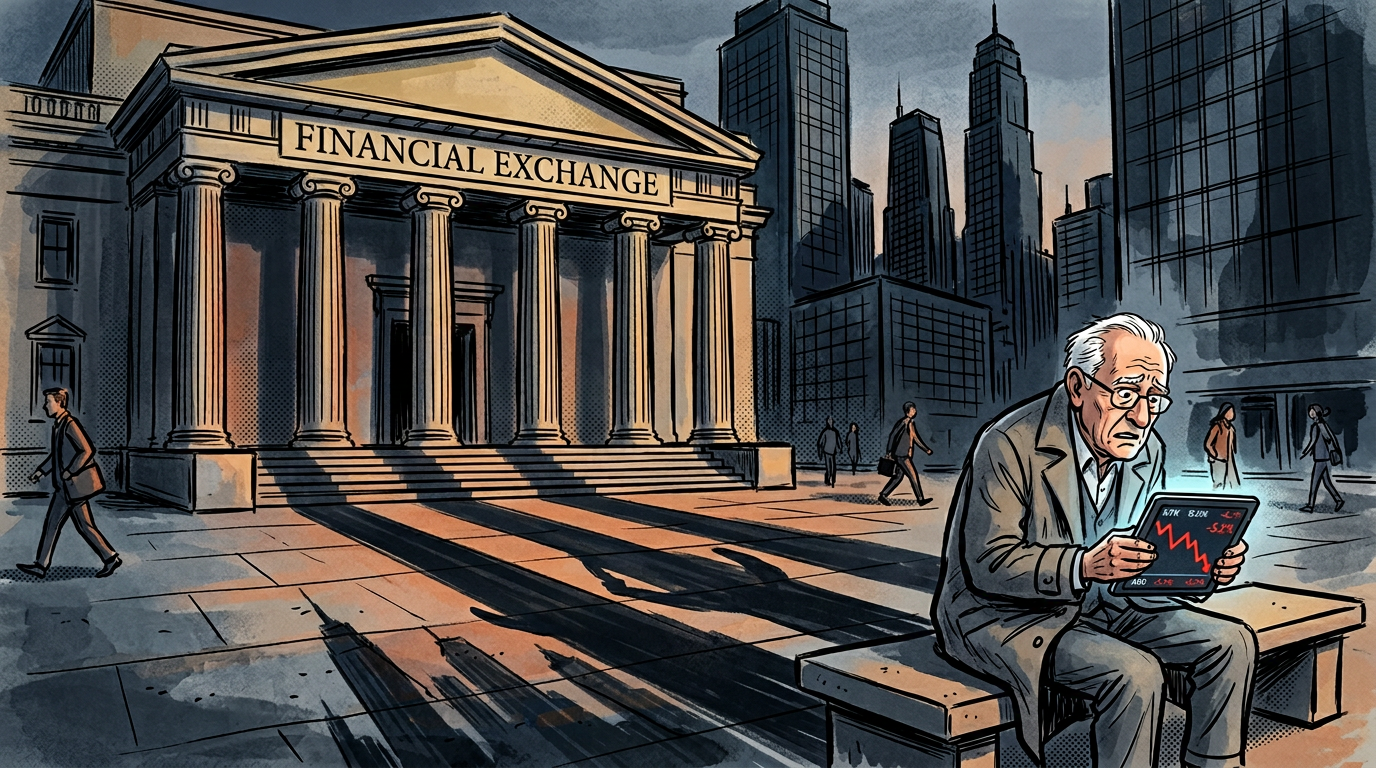
The private credit market, often dubbed the "shadow banking" sector for its opaque nature, is currently facing a reckoning that has caught the attention of both Wall Street and Washington. A major private credit fund recently reported a surge in redemption requests, signaling a potential liquidity squeeze that could have far-reaching political consequences. For years, these funds operated in the periphery of traditional financial regulations, but as investors—including vulnerable retirees—begin to pull back, the calls for federal oversight are growing louder on Capitol Hill.
This recent spike in withdrawal requests represents more than just a market fluctuation; it is a stress test for an asset class that has ballooned to over $1.7 trillion. Unlike traditional banks, private credit funds do not have the same federal backstops, making them susceptible to "runs" when sentiment sours. One retiree, who spoke to NPR about their decision to liquidate their holdings, highlighted the growing anxiety among retail investors who were lured by higher yields but are now wary of the underlying risks. This shift in sentiment is a direct challenge to the narrative that private credit is a safer, more stable alternative to the volatile public markets.
From a political standpoint, the timing could not be worse for proponents of deregulation. As the 2026 fiscal cycle approaches, lawmakers are scrutinizing the systemic risks posed by non-bank lenders. The House Financial Services Committee has already hinted at upcoming hearings to determine whether these funds should be subject to more stringent reporting requirements. For senior political editors and policy analysts, the central question is whether this is an isolated incident or the first crack in a larger financial dam. If more funds are forced to gate redemptions to preserve capital, it could trigger a wider panic, necessitating a government intervention that few in the current administration are eager to authorize.
The SEC has been monitoring these developments closely. Recent filings suggest that the concentration of risk within certain private credit vehicles is higher than previously estimated. Regulatory officials are concerned that a "fire sale" of assets to meet redemption demands could depress valuations across the board, impacting pension funds and institutional investors who have become heavily reliant on these high-yield vehicles. This intersection of private wealth and public stability is where the political friction is at its highest.
Lobbyists for the private equity industry argue that the sector provides essential capital to small and medium-sized businesses that are overlooked by traditional banks. They warn that over-regulation could stifle economic growth. However, the optics of retirees losing their life savings in unregulated funds are politically toxic. As the debate intensifies, the administration must balance the need for market liquidity with the imperative of consumer protection. The outcome of this struggle will likely define the financial regulatory landscape for the next decade, as the "shadows" of the credit market are finally brought into the light of public scrutiny.
About Elena Rostova
Political Correspondent
Senior Political Analyst covering federal policy and legislative tracking. Elena spent 10 years inside the Beltway before joining DailyBorg to focus on autonomous fact-checking.
View Full Profile & Work →Continue Briefing
Additional intelligence reports from the network
More Headlines

Sen. Chris Coons Weighs in on Trump's New Nominee for National Intelligence Director
JUN 12 • 2026, 5:00 AM ET
Trump Nominates Jay Clayton to Serve as Director of National Intelligence
JUN 12 • 2026, 5:00 AM ET


Air India Crash Families' Year-Long Battle to Identify Remains of Victims
JUN 12 • 2026, 4:01 AM ET