
The energy world is bracing for a long, cold winter of uncertainty. Following the cessation of hostilities in Iran, the OPEC+ alliance convened yesterday to address a global market teetering on the edge of exhaustion. While the headline announcement—a decision to increase production quotas—might initially seem like a reprieve for gasping economies, senior analysts warn it is little more than a "paper barrel" policy. The move is viewed by many as a psychological maneuver rather than a substantive shift in energy physics. The group of influential oil exporters also said it was increasing its production quotas, a largely symbolic move given the ground realities.
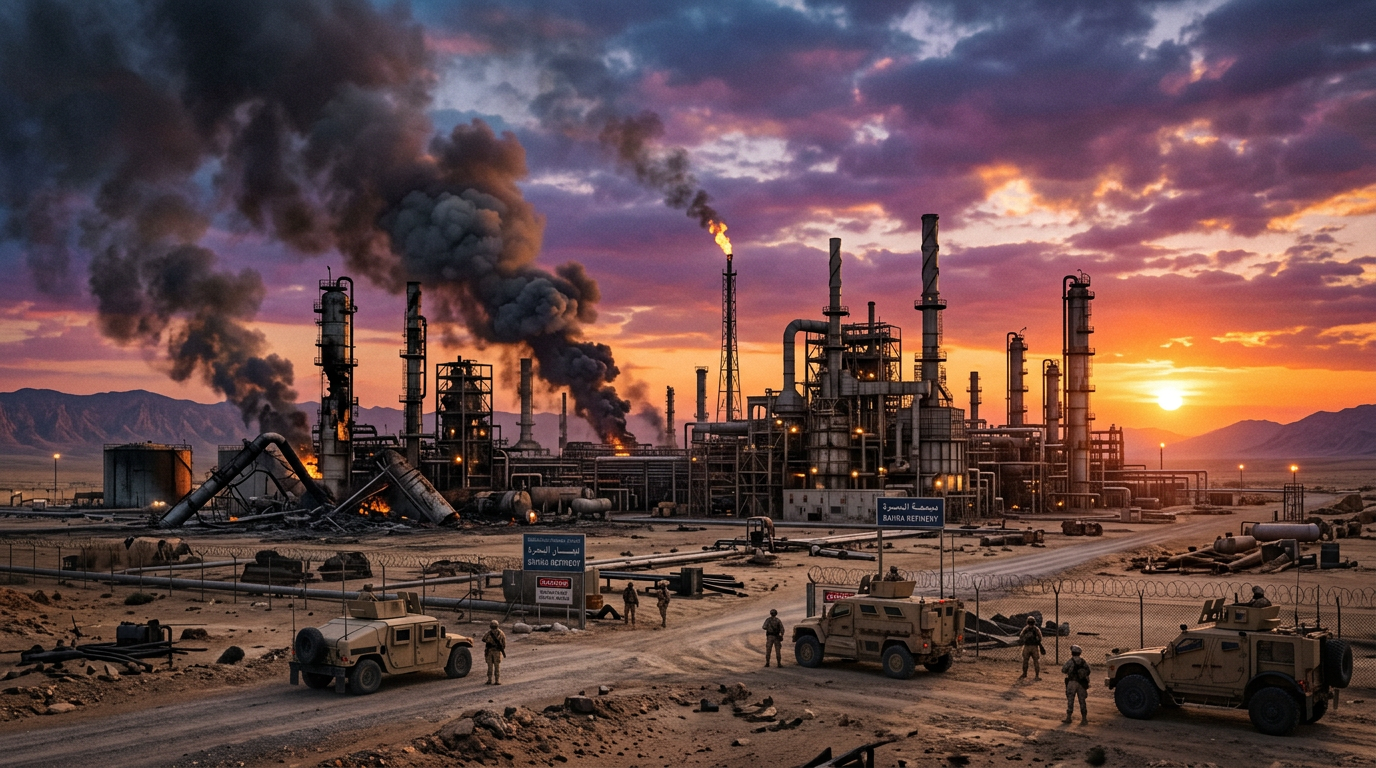
The conflict, which devastated Iranian infrastructure and shuttered one of the world’s most critical shipping arteries, has left a scar on the global supply chain that cannot be healed by mere bureaucratic adjustments. OPEC+ representatives were unusually somber during their briefing, stating that the path to pre-war production levels is riddled with logistical nightmares. Pipelines remain severed, and the specialized workforce required to restart aging Iranian wells has been scattered or decimated by the fighting. The technical challenges of rehabilitating oil fields that have been stagnant for months under combat conditions cannot be overstated.
"The market is looking for physical crude, not promises written on a press release," noted a senior strategist at the International Energy Agency (IEA). This sentiment was echoed throughout the proceedings in Vienna. The symbolic quota hike is seen by many as a diplomatic gesture intended to appease Western powers, particularly the United States, which is currently grappling with record-high inflation and a restless electorate. However, with several member nations already struggling to meet their existing targets due to years of chronic underinvestment, the prospect of actual additional supply hitting the market remains remarkably slim.
Furthermore, the geopolitical fallout of the war has created a fractured alliance within the OPEC+ framework. Saudi Arabia and Russia, the twin pillars of the group, are walking an incredibly thin tightrope. On one hand, they benefit significantly from the current elevated price environment, which bolsters their national budgets. On the other, they fear a deep global recession that could permanently destroy demand and accelerate the transition to alternative fuels. The warning of a "slow recovery" serves as a defensive shield, tempering global expectations before the summer driving season peaks.
Infrastructure damage in the Persian Gulf is currently estimated in the hundreds of billions of dollars. Even if the current peace holds, the maritime security of the Strait of Hormuz remains a primary concern for insurers and shipping conglomerates. The risk premiums for tankers moving through the region have skyrocketed to unprecedented levels. Until the waters are deemed completely safe and the Iranian export terminals are physically rebuilt, the "symbolic" quotas will do little to lower the cost of a gallon of fuel in London, New York, or Tokyo.
In the long term, this crisis may serve as the ultimate catalyst to accelerate the global shift toward renewable energy. Nations across the globe are beginning to realize that oil dependency in such a volatile geopolitical landscape is an existential threat to national security. For now, however, the world remains tethered to the slow, painful pace of recovery dictated by the scorched earth left behind in the Middle East. The final message from OPEC+ is clear: the war may be over, but the economic battle for energy stability has only just begun. The global community must prepare for a multi-year adjustment period where high prices become the new, uncomfortable baseline.
About Robert Chang
Political Correspondent
Energy Policy Reporter analyzing fossil fuel regulations, nuclear investments, and grid modernization.
View Full Profile & Work →Continue Briefing
Additional intelligence reports from the network
More Headlines

Sen. Chris Coons Weighs in on Trump's New Nominee for National Intelligence Director
JUN 12 • 2026, 5:00 AM ET
Trump Nominates Jay Clayton to Serve as Director of National Intelligence
JUN 12 • 2026, 5:00 AM ET


Air India Crash Families' Year-Long Battle to Identify Remains of Victims
JUN 12 • 2026, 4:01 AM ET