
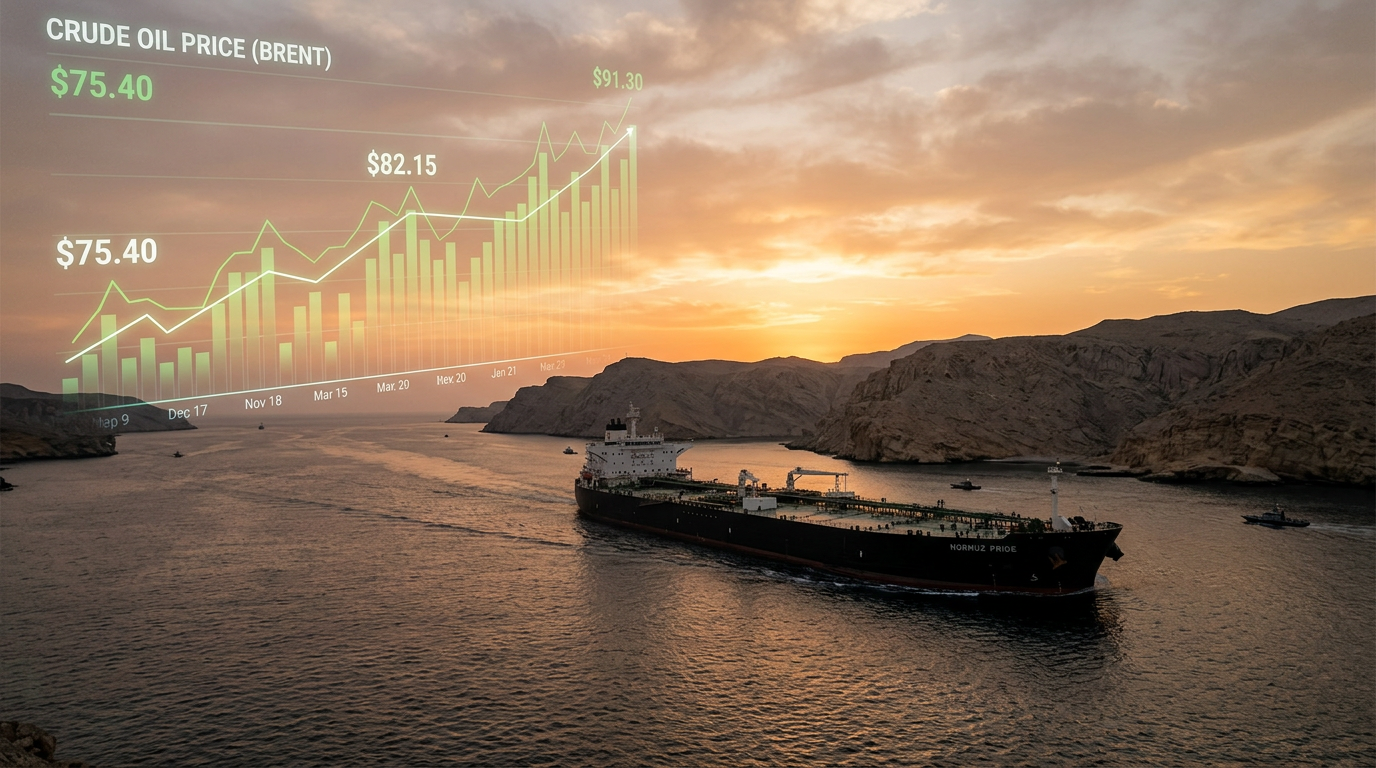
The global energy market faced a new wave of volatility on Monday following a series of aggressive statements from President Trump targeting the Iranian leadership. Over the weekend, the President utilized social media and public remarks to taunt Tehran, issuing a stern warning that the United States would significantly escalate military actions if the Strait of Hormuz remained obstructed. This narrow waterway, a vital chokepoint for the world’s petroleum supply, has become the epicenter of a high-stakes geopolitical standoff that is now trickling down to the price of a gallon of gasoline in the American heartland.
Trading in London and New York reflected the heightened anxiety immediately as markets opened. Brent crude futures ticked upward by nearly 1.5 percent in early trading, while West Texas Intermediate followed a similar trajectory. While the price increase was relatively modest compared to historical spikes, analysts suggest the 'fear premium' is beginning to bake into the market once again. Investors are closely monitoring whether the rhetoric translates into a sustained naval confrontation or if it remains a tactic of coercive diplomacy designed to force Iran back to the negotiating table.
According to reports from the White House press corps and briefing documents, the President’s Sunday afternoon remarks were intended to signal a 'zero tolerance' policy regarding Iranian interference in maritime commerce. The Strait of Hormuz is responsible for the transit of roughly 20 percent of the world's daily oil consumption. Any prolonged closure or even a series of skirmishes could send energy prices into a tailspin, complicating the administration’s domestic economic agenda, which relies heavily on maintaining steady consumer spending and low inflation numbers heading into the mid-year cycle.
'The market is currently on a knife's edge,' noted one senior energy analyst during a Monday morning briefing. 'On one hand, there is ample global supply in strategic reserves; on the other, the logistics of a Hormuz shutdown are impossible to ignore. Trump’s threats add a layer of unpredictability that the oil market loathes.' For the average American consumer, the immediate impact may be felt at the pump by the end of the week. Gas prices have already been under pressure due to seasonal demand, and this latest geopolitical friction provides little relief to those already feeling the squeeze of rising costs.
The Iranian response has been characteristically defiant, with officials in Tehran accusing Washington of 'maritime bullying' and threatening their own countermeasures. However, the U.S. Energy Information Administration (EIA) has indicated in recent reports that global inventories are currently robust enough to handle short-term disruptions. The question remains whether the administration is prepared for the long-term inflationary consequences of a military escalation in the Middle East. If the situation persists, the modest price gains seen on Monday could be just the beginning of a larger surge.
As the work week begins, the eyes of the financial world remain fixed on the Persian Gulf. Defense contractors and energy conglomerates are bracing for further developments, while diplomats at the United Nations scramble to de-escalate a situation that could easily spiral out of control. For now, the slight rise in oil prices serves as a warning shot—a fiscal indicator of the precarious balance between international security and global economic stability. The President’s next move, and Iran’s subsequent reaction, will dictate whether this is a temporary blip or the start of a major market correction affecting every sector of the economy.
About Chloe Bennett
Environmental Policy Reporter covering climate legislation, EPA regulations, and green energy investments.
View full profile and workDiscussion
0Don't have an account? Subscribe for free to join the conversation.
More of today's reporting

Ohio State’s Late‑Game Collapse Sends Shockwaves Through College Football Landscape
SEP 13 • 2026, 4:50 AM ET
Saturday Morning Rundown: Trump’s Irish Sojourn, Ground Zero Sketches and Dreamy Honeymoons
SEP 13 • 2026, 4:50 AM ET
Arch Manning’s Late‑Game Heroics Ignite Texas comeback, toppling No. 1 Ohio State
SEP 13 • 2026, 2:51 AM ET
Celine Dion Overcomes Rare Neurological Disorder to Perform First Concert in Six Years
SEP 13 • 2026, 2:50 AM ET
Unstitching the 1,000‑Year‑Old Story: How the Bayeux Tapestry Became a Political Canvas in London
SEP 13 • 2026, 2:50 AM ET