
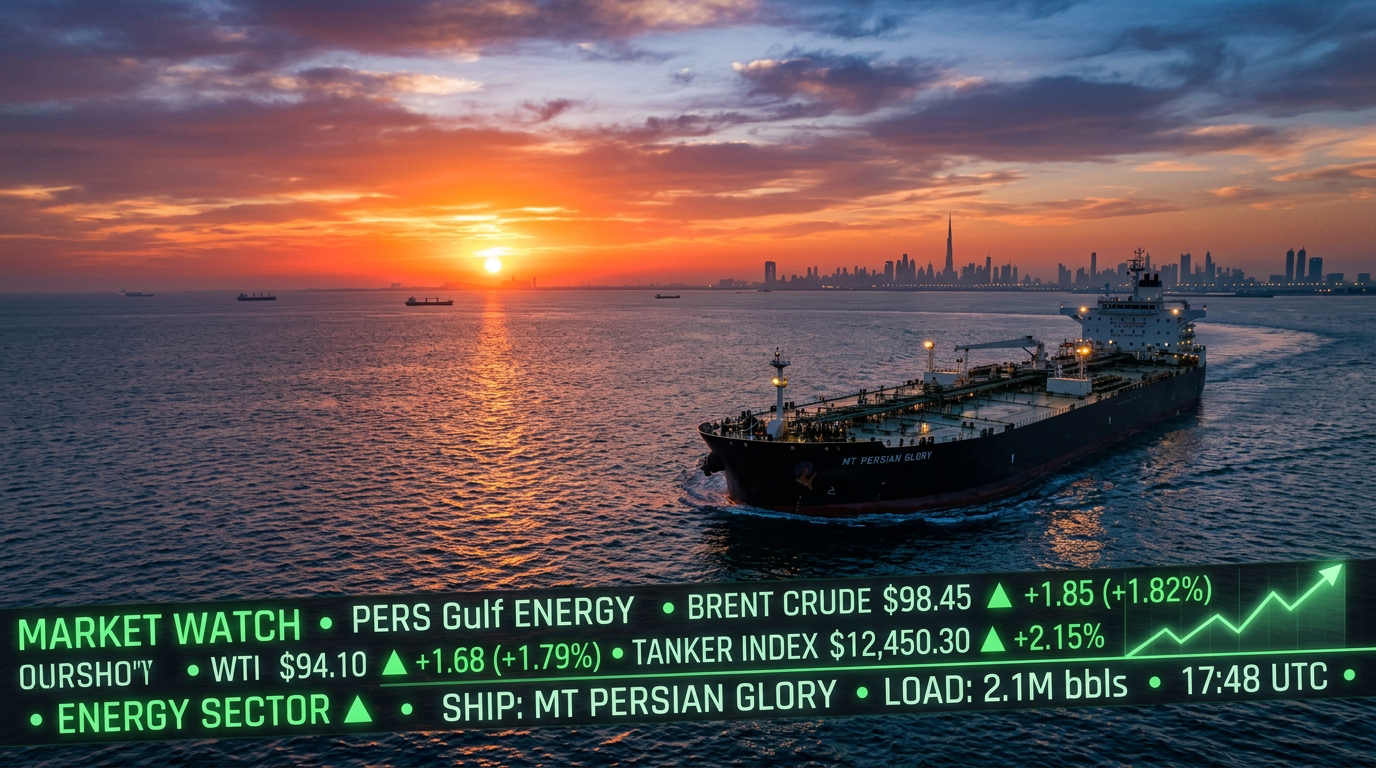
Current geopolitical tensions have reached a boiling point in the Persian Gulf, and for the first time in years, the "Trump Factor" is failing to stabilize the energy markets. Historically, President Trump has relied on a unique brand of verbal intervention—a mix of aggressive posturing followed by sudden "peace signals"—to manipulate market sentiment and drive down oil prices. However, as of April 2026, the global energy sector appears to have developed an immunity to this specific brand of diplomatic theater. According to recent reporting from The New York Times, oil traders are increasingly discounting the president’s optimistic rhetoric as military friction with Iran continues to intensify.
The current crisis began when the administration ramped up sanctions, leading to several skirmishes in the Strait of Hormuz. In previous cycles, a single tweet or a brief comment on the White House lawn suggesting that "talks are progressing nicely" would have been enough to trigger a sell-off in Brent crude futures. Today, those same signals are met with skepticism, if not outright laughter, on the trading floors of London and Singapore. Analysts at S&P Global Commodity Insights have noted that the disconnect between the president’s "peace" narrative and the actual movements of the U.S. Fifth Fleet has created a credibility gap that the administration is struggling to bridge.
"The market has moved past the 'will-they-won't-they' phase of diplomacy," says a senior analyst at a major Manhattan hedge fund. "We are looking at satellite imagery of troop movements, not social media posts. When the president says peace is around the corner, we look at the increased insurance premiums on tankers in the Gulf and see a very different reality." This skepticism is reflected in the price action; even after the president suggested a potential summit with Iranian leadership yesterday, oil prices barely budged from their three-year highs, remaining stubbornly above $105 a barrel.
The problem for the White House is twofold. First, the repeated cycle of threats followed by claims of progress has reached a point of diminishing returns. Second, the fundamental supply-and-demand dynamics are being squeezed by physical risks that rhetoric cannot resolve. With several key refineries in the region operating under heightened security and rumors of cyber-warfare targeting energy infrastructure, the "risk premium" baked into every barrel of oil has become a permanent fixture of the 2026 economy.
If the president’s ability to "talk down" the market has truly evaporated, the political stakes are enormous. High energy prices are a traditional toxin for any administration's approval ratings, especially heading into mid-cycle elections. Without the leverage of his verbal interventions, Trump may be forced to choose between a genuine military de-escalation that involves lifting sanctions—a move his base might view as weakness—or accepting a sustained period of high inflation that could cripple his domestic agenda. As tensions with Tehran grow, the oil markets have sent a clear message: in 2026, actions speak louder than signals, and the cost of credibility is rising with every tick of the ticker tape.
JL
About Jessica Long
Political Correspondent
Labor and Workplace Policy Analyst covering union regulations, minimum wage laws, and worker protections.
View Full Profile & Work →Continue Briefing
Additional intelligence reports from the network
More Headlines

Politics
Sen. Chris Coons Weighs in on Trump's New Nominee for National Intelligence Director
JUN 12 • 2026, 5:00 AM ET
Politics
Trump Nominates Jay Clayton to Serve as Director of National Intelligence
JUN 12 • 2026, 5:00 AM ET


Politics
Air India Crash Families' Year-Long Battle to Identify Remains of Victims
JUN 12 • 2026, 4:01 AM ET