
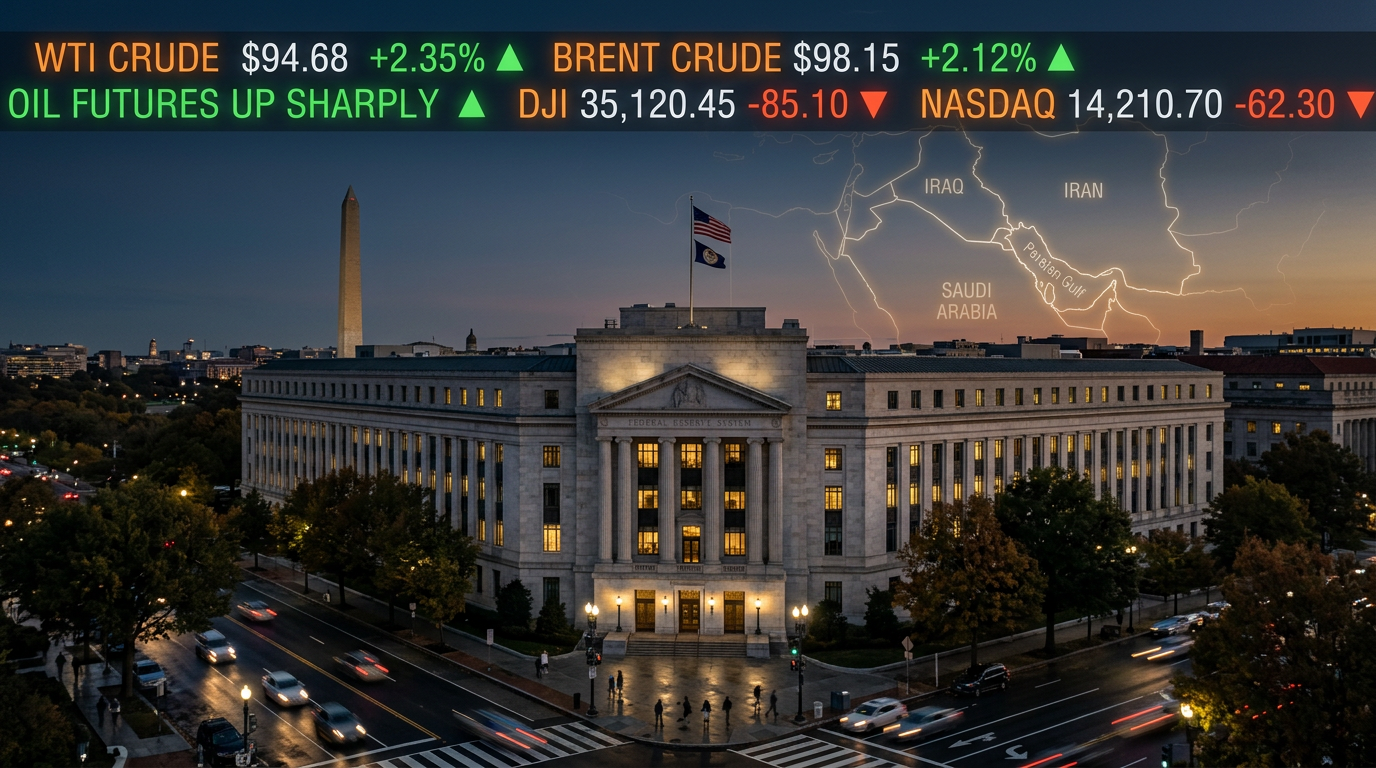
The escalation of hostilities in the Middle East has sent shockwaves through global markets, rekindling inflationary pressures that many economists believed were finally being contained. For the Federal Reserve, the timing could not be worse. After years of aggressive rate hikes followed by a period of relative stability, the sudden spike in energy costs—a direct consequence of the conflict involving Iran—now threatens to undo the central bank’s hard-won progress. This resurgence of inflation is not merely a statistical anomaly but a fundamental challenge to the Federal Reserve's credibility and its ability to maintain price stability in an increasingly volatile world.
The current crisis underscores the vulnerability of the domestic economy to external shocks. As oil prices surge past critical thresholds due to the regional instability, the cost of transportation and manufacturing follows suit, creating a ripple effect that eventually reaches the consumer in the form of higher grocery and utility bills. For the Fed, this presents a classic policy dilemma that has haunted central bankers for decades. If the central bank raises interest rates to combat this new wave of inflation, it risks choking off economic growth and tipping the nation into a recession. Conversely, if it remains passive or maintains its current course, it risks allowing inflation expectations to become "de-anchored," making the problem far more difficult and painful to resolve in the long run.
Market analysts and senior economists are watching closely for signals from the Federal Open Market Committee, but the rhetoric from officials remains cautiously guarded. The skepticism among investors is palpable; there is a growing concern that the Fed may have waited too long to acknowledge the structural shifts caused by the regional war. This lack of faith is reflected in the bond market, where yields have climbed as participants brace for a prolonged period of high prices. The political stakes are equally high for the current administration. With an election cycle looming on the horizon, there is mounting pressure to address the rising cost of living, even as the government's tools for influencing global energy markets remain severely limited.
The geopolitical dimension adds layers of complexity that traditional economic models often struggle to capture. Unlike the supply chain bottlenecks of the pandemic era, the current disruption is rooted in a direct threat to global shipping lanes and energy production facilities in the Persian Gulf. This is a supply-side shock that monetary policy is notoriously ill-equipped to fix. While raising rates can dampen domestic demand, it does little to secure oil tankers or stabilize regional power dynamics across the ocean.
As the conflict persists, the narrative of "transitory" inflation has been well and truly buried. The Federal Reserve now finds itself in a defensive posture, attempting to balance its dual mandate of maximum employment and stable prices against a backdrop of international chaos. The coming months will be a definitive test of the central bank's resolve. Will it prioritize its 2 percent inflation target at all costs, or will it pivot to shield the economy from the broader impacts of a Middle Eastern war? The answer will shape the economic landscape for years to come, and for now, the markets remain deeply unconvinced that a soft landing is still possible.
About Nina Costa
Political Correspondent
Budget and Spending Correspondent analyzing the federal budget, national debt, and appropriations.
View Full Profile & Work →Continue Briefing
Additional intelligence reports from the network
More Headlines

Sen. Chris Coons Weighs in on Trump's New Nominee for National Intelligence Director
JUN 12 • 2026, 5:00 AM ET
Trump Nominates Jay Clayton to Serve as Director of National Intelligence
JUN 12 • 2026, 5:00 AM ET


Air India Crash Families' Year-Long Battle to Identify Remains of Victims
JUN 12 • 2026, 4:01 AM ET