
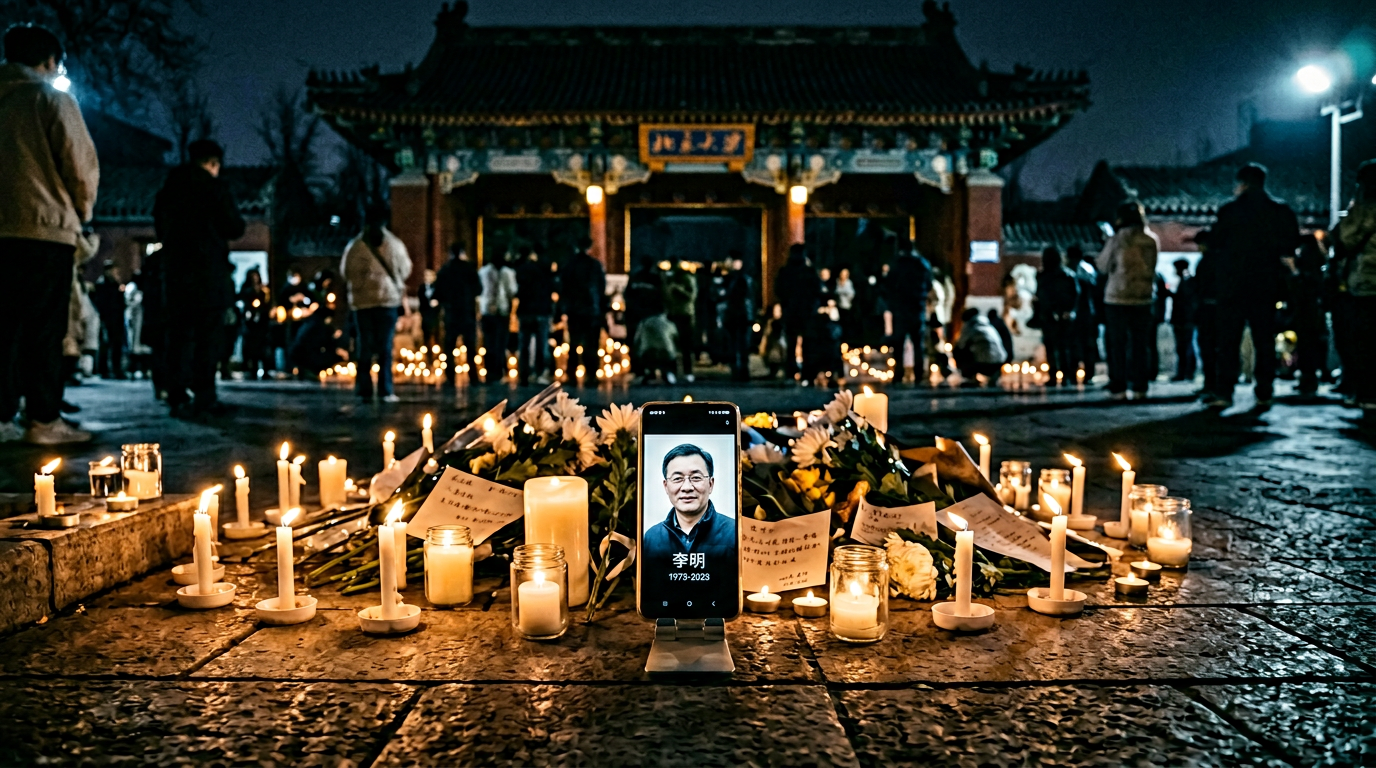
In the digital landscape of contemporary China, few figures loomed as large over the anxieties of the middle class as Zhang Xuefeng. Known for his blunt, often cynical advice on navigating the labyrinthine corridors of the Chinese university system, Zhang’s sudden passing has sparked a national wave of mourning that transcends simple celebrity grief. To the millions of students and parents who followed him, Zhang was more than a career counselor; he was a truth-teller in a system that often prioritizes prestige over pragmatism. His death, and the subsequent outpouring of public sorrow, has inadvertently crystallized into a "quiet revolt" against the grueling educational standards that define modern Chinese life.
Zhang rose to prominence by stripping away the romanticism surrounding higher education. In a culture where the Gaokao—the national college entrance exam—is treated as a life-determining pivot point, Zhang offered a cold, calculated alternative. He famously advised students to prioritize degrees with immediate marketability over prestigious liberal arts programs at elite institutions. For many, his pragmatism was a lifeline in an economy grappling with slowing growth and a hyper-competitive job market for graduates. His death leaves a void not just in the influencer economy, but in the psychological support structure of a generation feeling the squeeze of the "involution" (neijuan) phenomenon.
The scale of the digital tribute to Zhang has caught censors and sociologists alike by surprise. On platforms like Weibo and Douyin, the discourse has shifted from mourning a man to critiquing the machine. Commentators are increasingly using Zhang’s legacy to voice frustrations with a system that demands total devotion for diminishing returns. The "quiet revolt" lies in the public acknowledgment that the educational "rat race" is fundamentally broken—a sentiment Zhang articulated daily. By mourning him so fiercely, the public is effectively signaling their exhaustion with the relentless pursuit of credentials that no longer guarantee a stable middle-class existence.
Furthermore, the political undertones of this grief cannot be ignored. In a state where overt protest is heavily scrutinized, collective mourning often serves as a proxy for social dissatisfaction. The state-run media’s measured response to Zhang’s passing reflects a delicate balancing act: acknowledging a popular figure without validating the systemic critiques his followers are now shouting from the digital rooftops. As students gather in silent vigils and share his most viral clips, the message is clear: the promise of social mobility through education is fraying, and Zhang Xuefeng was the one who dared to say it out loud.
The legacy of Zhang Xuefeng will likely be measured by how the Chinese government responds to this simmering discontent. Whether through reforms to vocational training or further crackdowns on educational "anxiety-mongering," the authorities face a populace that is increasingly disillusioned. Zhang may have been an influencer by trade, but in his death, he has become a symbol of a deeper, more profound crisis within the Chinese social contract. The grief seen today is not just for a man, but for the dream he tried to help others survive.
About Jameson Wood
Political Correspondent
Economic Policy Correspondent focused on the Federal Reserve, taxation, and international trade agreements.
View Full Profile & Work →Continue Briefing
Additional intelligence reports from the network
More Headlines

Sen. Chris Coons Weighs in on Trump's New Nominee for National Intelligence Director
JUN 12 • 2026, 5:00 AM ET
Trump Nominates Jay Clayton to Serve as Director of National Intelligence
JUN 12 • 2026, 5:00 AM ET


Air India Crash Families' Year-Long Battle to Identify Remains of Victims
JUN 12 • 2026, 4:01 AM ET