
For decades, the specter of a Middle Eastern conflict disrupting the global oil supply has been the primary nightmare for energy-hungry nations. As the current war involving Iran escalates, threatening the vital Strait of Hormuz, the world watches with bated breath. Yet, in the halls of power in Beijing, the atmosphere is notably less panicked than one might expect. While this is not China’s war, the Chinese Communist Party (CCP) has spent the better part of a decade preparing for precisely this scenario. The strategic shift began in earnest during Donald Trump’s first term in the United States. As the Trump administration ramped up trade pressures and re-evaluated the U.S.-China relationship, Beijing recognized a glaring vulnerability: its extreme dependence on maritime oil routes that the U.S. Navy could theoretically interdict in a crisis.
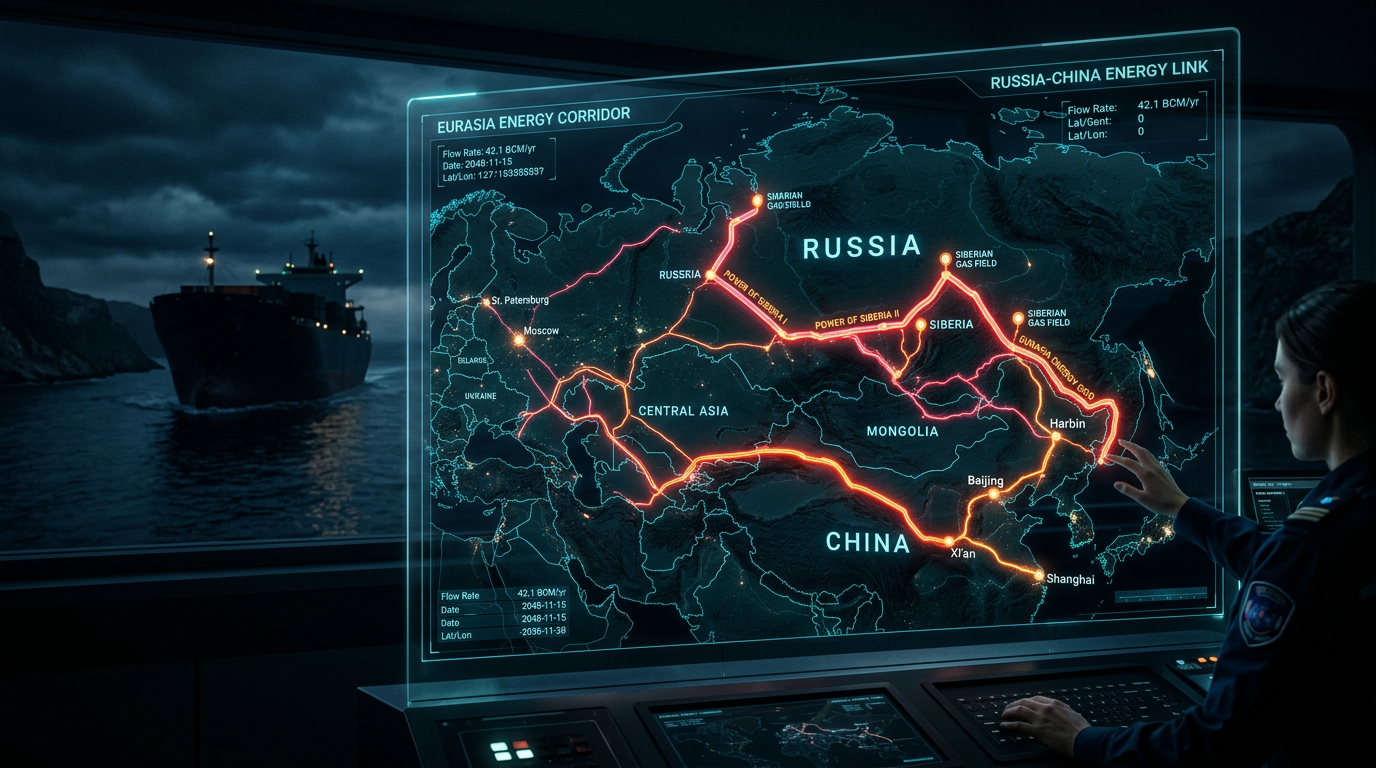
President Xi Jinping, long focused on 'national rejuvenation,' realized that energy security was the bedrock of national sovereignty. Consequently, China redoubled its efforts to insulate its economy from external geopolitical shocks. China’s preparation has been three-fold. First, it aggressively expanded its Strategic Petroleum Reserve (SPR). While the exact figures remain a state secret, satellite imagery and trade data suggest that China has built the world’s largest stockpile of crude oil, capable of sustaining its industrial engine for months even if imports were completely halted. This massive buffer provides a level of insurance that few other nations possess. Second, Beijing has pivoted toward terrestrial energy partnerships. Pipelines crossing from Russia and Central Asia have been prioritized, bypassing the volatile maritime chokepoints of the South China Sea and the Indian Ocean. These land-based routes provide a critical safety valve that Western sanctions or naval blockades cannot easily close, ensuring a steady flow of hydrocarbons from the north and west.
Third, and perhaps most importantly, China’s massive push into renewable energy and electric vehicles (EVs) was never just about climate change; it was a security imperative. By leading the world in solar manufacturing and EV adoption, China is systematically reducing its long-term reliance on internal combustion engines and the foreign oil required to fuel them. Every electric bus on the streets of Shenzhen is one less barrel of oil that needs to pass through the Strait of Hormuz. However, the current Iranian crisis presents a unique challenge. While China has cultivated a deep partnership with Tehran—signing a 25-year strategic cooperation agreement—it remains a delicate balancing act. China is Iran’s largest oil buyer, but it also maintains vital economic ties with the Gulf monarchies. The goal for Beijing is to remain the 'indispensable neutral,' maintaining its energy flow while avoiding direct military entanglement.
As the 'oil shock' ripples through global markets, China’s proactive measures are paying dividends. While the rest of the world scrambles to find alternatives to Middle Eastern crude, Beijing’s decade of strategic hedging has created a vital buffer. The CCP’s long-game approach highlights a fundamental shift in global dynamics: the ability to endure a crisis is becoming just as important as the ability to project power during one. Whether China’s 'fortress economy' can withstand a prolonged global depression remains to be seen, but for now, their years of preparation are providing a masterclass in strategic resilience and economic foresight.
WF
About William Foster
Political Correspondent
Infrastructure Correspondent tracking federal spending on transportation, broadband, and public works.
View Full Profile & Work →Continue Briefing
Additional intelligence reports from the network
More Headlines

Politics
Sen. Chris Coons Weighs in on Trump's New Nominee for National Intelligence Director
JUN 12 • 2026, 5:00 AM ET
Politics
Trump Nominates Jay Clayton to Serve as Director of National Intelligence
JUN 12 • 2026, 5:00 AM ET


Politics
Air India Crash Families' Year-Long Battle to Identify Remains of Victims
JUN 12 • 2026, 4:01 AM ET