
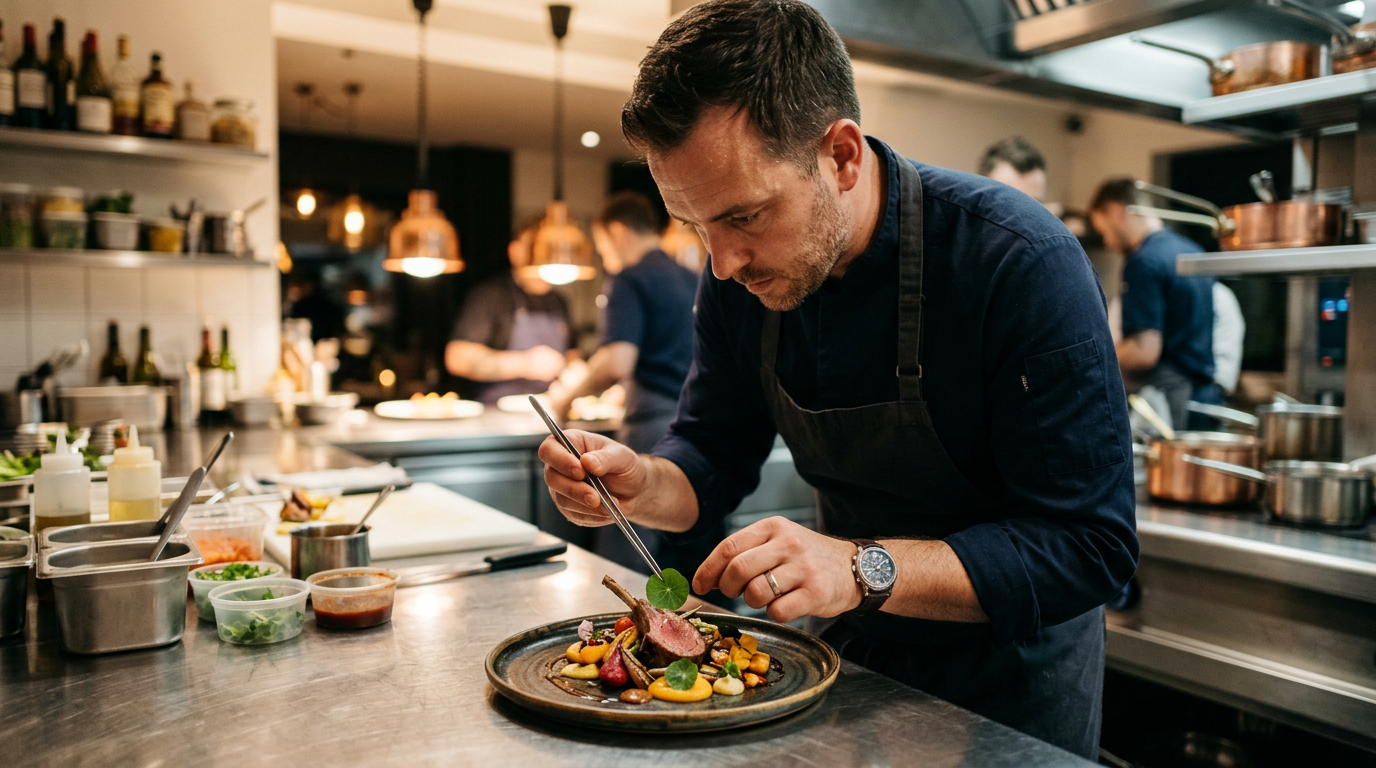
The culinary world has long been characterized by its high-pressure environment, precision-driven workflows, and a relentless pursuit of excellence. Historically, this intensity has served as a barrier for many, yet a transformative movement is currently unfolding within the hallowed kitchens of fine-dining establishments. A new chef program, specifically designed to help individuals with autism find meaningful employment in the gourmet sector, is not just a philanthropic gesture; it represents a significant pivot in modern labor economics and corporate social responsibility.
From the perspective of workforce policy, this initiative addresses two critical issues: a chronic shortage of skilled kitchen staff and a systemic underutilization of neurodivergent talent. For decades, the labor market has struggled to accommodate workers who process information differently, often relegating them to entry-level or repetitive roles that fail to leverage their unique cognitive strengths. However, as the New York Times reports, the "New Chef Program" recognizes that the structured, routine-heavy, and detail-oriented nature of fine-dining prep can be a "perfect fit" for autistic individuals who excel in such environments. By focusing on strengths rather than perceived deficits, the program is setting a new standard for vocational training.
This shift is gaining significant traction among policy makers and business leaders alike. The economic implications are profound. By integrating neurodivergent workers into high-stakes culinary roles, restaurants are seeing lower turnover rates and higher levels of consistency. This is particularly vital in a post-pandemic economy where the hospitality sector has faced unprecedented staffing volatility and rising labor costs. From a political standpoint, these programs often align with broader bipartisan initiatives aimed at reducing reliance on state disability benefits by fostering economic independence through private-sector employment.
Critics and skeptics might point to the logistical challenges of modifying workplace culture, yet the program’s success hinges on specialized training for both the employees and the management teams. This dual-sided approach ensures that the environment is supportive without compromising the rigorous standards of a Michelin-starred kitchen. Moreover, the Bureau of Labor Statistics has frequently noted the untapped potential of neurodivergent populations in the workforce; programs like this serve as a blueprint for other high-precision industries, from technology to advanced manufacturing, to reconsider their recruitment and retention strategies.
Furthermore, the success of such initiatives often leads to increased legislative advocacy. As these culinary programs scale and demonstrate long-term viability, we are likely to see increased pressure on local and federal governments to provide more robust tax incentives or infrastructure grants for businesses that implement inclusive hiring frameworks. The intersection of gastronomy and social policy is becoming a fertile ground for innovation, proving that diversity is not just a moral imperative but a competitive advantage in the global market.
Ultimately, the integration of autistic chefs into fine-dining kitchens is more than just a human-interest story; it is a case study in how modern industries must adapt to a changing social and economic landscape. By moving beyond traditional hiring tropes and embracing neurodiversity, the culinary world is setting a standard for a more inclusive, resilient, and economically vibrant workforce. As we monitor the growth of these programs across the country, the primary focus remains on whether these systemic changes will become a permanent fixture of our national economic infrastructure or remain as localized success stories.
From the perspective of workforce policy, this initiative addresses two critical issues: a chronic shortage of skilled kitchen staff and a systemic underutilization of neurodivergent talent. For decades, the labor market has struggled to accommodate workers who process information differently, often relegating them to entry-level or repetitive roles that fail to leverage their unique cognitive strengths. However, as the New York Times reports, the "New Chef Program" recognizes that the structured, routine-heavy, and detail-oriented nature of fine-dining prep can be a "perfect fit" for autistic individuals who excel in such environments. By focusing on strengths rather than perceived deficits, the program is setting a new standard for vocational training.
This shift is gaining significant traction among policy makers and business leaders alike. The economic implications are profound. By integrating neurodivergent workers into high-stakes culinary roles, restaurants are seeing lower turnover rates and higher levels of consistency. This is particularly vital in a post-pandemic economy where the hospitality sector has faced unprecedented staffing volatility and rising labor costs. From a political standpoint, these programs often align with broader bipartisan initiatives aimed at reducing reliance on state disability benefits by fostering economic independence through private-sector employment.
Critics and skeptics might point to the logistical challenges of modifying workplace culture, yet the program’s success hinges on specialized training for both the employees and the management teams. This dual-sided approach ensures that the environment is supportive without compromising the rigorous standards of a Michelin-starred kitchen. Moreover, the Bureau of Labor Statistics has frequently noted the untapped potential of neurodivergent populations in the workforce; programs like this serve as a blueprint for other high-precision industries, from technology to advanced manufacturing, to reconsider their recruitment and retention strategies.
Furthermore, the success of such initiatives often leads to increased legislative advocacy. As these culinary programs scale and demonstrate long-term viability, we are likely to see increased pressure on local and federal governments to provide more robust tax incentives or infrastructure grants for businesses that implement inclusive hiring frameworks. The intersection of gastronomy and social policy is becoming a fertile ground for innovation, proving that diversity is not just a moral imperative but a competitive advantage in the global market.
Ultimately, the integration of autistic chefs into fine-dining kitchens is more than just a human-interest story; it is a case study in how modern industries must adapt to a changing social and economic landscape. By moving beyond traditional hiring tropes and embracing neurodiversity, the culinary world is setting a standard for a more inclusive, resilient, and economically vibrant workforce. As we monitor the growth of these programs across the country, the primary focus remains on whether these systemic changes will become a permanent fixture of our national economic infrastructure or remain as localized success stories.
MO
About Michael O'Connor
Political Correspondent
State Politics Editor. Michael monitors gubernatorial races, statehouse shifts, and local ballot initiatives.
View Full Profile & Work →Continue Briefing
Additional intelligence reports from the network
More Headlines

Politics
Sen. Chris Coons Weighs in on Trump's New Nominee for National Intelligence Director
JUN 12 • 2026, 5:00 AM ET
Politics
Trump Nominates Jay Clayton to Serve as Director of National Intelligence
JUN 12 • 2026, 5:00 AM ET


Politics
Air India Crash Families' Year-Long Battle to Identify Remains of Victims
JUN 12 • 2026, 4:01 AM ET