
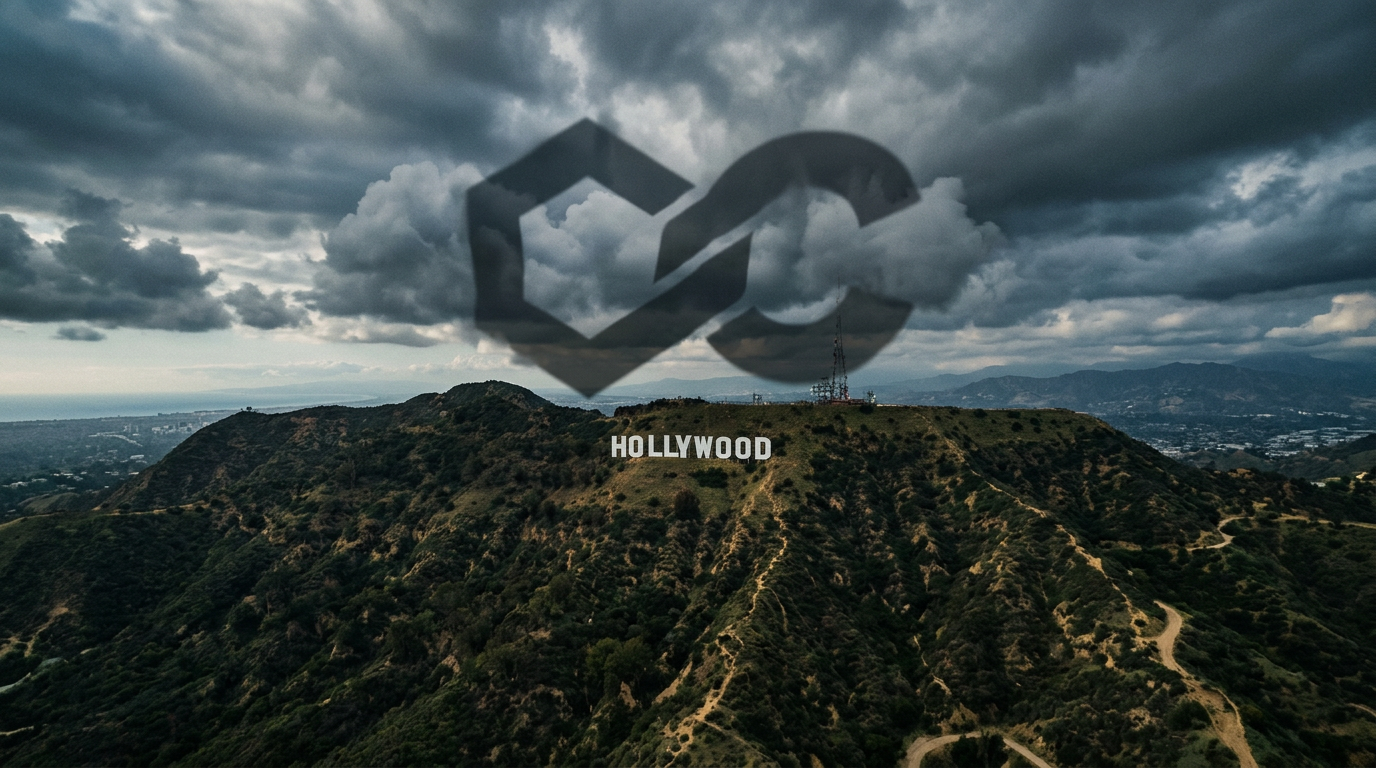
The proposed $111 billion merger between entertainment titans Warner Bros. Discovery and Paramount Global has officially entered a legal and political minefield. As California regulators and prominent Hollywood figures mount a coordinated resistance, the deal—once viewed as an inevitability for survival in the streaming age—is now facing existential threats from the very state it calls home. This pushback highlights a growing rift between the corporate drive for consolidation and the state's mandate to protect competition and labor. The scale of the transaction has triggered alarms across the political spectrum, suggesting that the road to closing this deal will be paved with litigation and regulatory hurdles.
California Attorney General Rob Bonta’s office has signaled a deep dive into the antitrust implications of the merger. According to sources within the regulatory body, the primary concern lies in how a combined entity would control an overwhelming share of the television and film production market. We are witnessing a contraction of the industry that threatens the economic stability of thousands of California residents, a state official noted during a preliminary briefing. The fear is that a Warner-Paramount behemoth would possess undue leverage over licensing fees, advertising rates, and, perhaps most critically, the bargaining power of creative talent. By reducing the number of major studios, the market for high-budget content becomes significantly less competitive.
The Hollywood community, still recovering from the dual strikes of recent years, has been vocal in its opposition. Unions such as SAG-AFTRA and the Writers Guild of America have expressed alarm over the potential for massive layoffs. Industry analysts estimate that a merger of this scale could result in the elimination of up to 15,000 jobs as redundant departments are shuttered to achieve the synergies promised to Wall Street investors. For many in the industry, this is not just a business transaction; it is a direct assault on the middle-class workforce that sustains the entertainment ecosystem. Labor leaders argue that consolidation rarely benefits the workers, often leading to reduced residual payments and fewer opportunities for new creators.
Furthermore, the consolidation of two Big Five studios into one raises alarms about cultural homogeneity. Critics argue that fewer gatekeepers in the industry will lead to less risk-taking and a decline in diverse storytelling. When two major platforms merge, the diversity of buyers for original scripts diminishes, creating a bottleneck that can stifle creative innovation. California lawmakers have echoed these concerns, suggesting that the merger could permanently alter the state's cultural landscape. From a political standpoint, this battle serves as a litmus test for how modern antitrust laws are applied to the digital and entertainment sectors in an era of platform dominance.
While federal regulators at the FTC and DOJ will conduct their own exhaustive reviews, California’s aggressive stance provides a secondary, and potentially more localized, barrier. The state has a vested interest in maintaining a competitive marketplace that prevents any single corporation from dictating the terms of employment for the state’s most iconic export. As the $111 billion deal moves toward formal review, the friction between corporate behemoths and regulatory hawks is set to intensify. The outcome will likely define the future of the media landscape for decades to come, determining whether the industry continues toward a future of massive conglomerates or maintains a competitive environment that favors labor.
About Christopher Hayes
Political Correspondent
Veterans Affairs Reporter dedicated to tracking legislation and policy impacting military veterans.
View Full Profile & Work →Continue Briefing
Additional intelligence reports from the network
More Headlines

Sen. Chris Coons Weighs in on Trump's New Nominee for National Intelligence Director
JUN 12 • 2026, 5:00 AM ET
Trump Nominates Jay Clayton to Serve as Director of National Intelligence
JUN 12 • 2026, 5:00 AM ET


Air India Crash Families' Year-Long Battle to Identify Remains of Victims
JUN 12 • 2026, 4:01 AM ET