
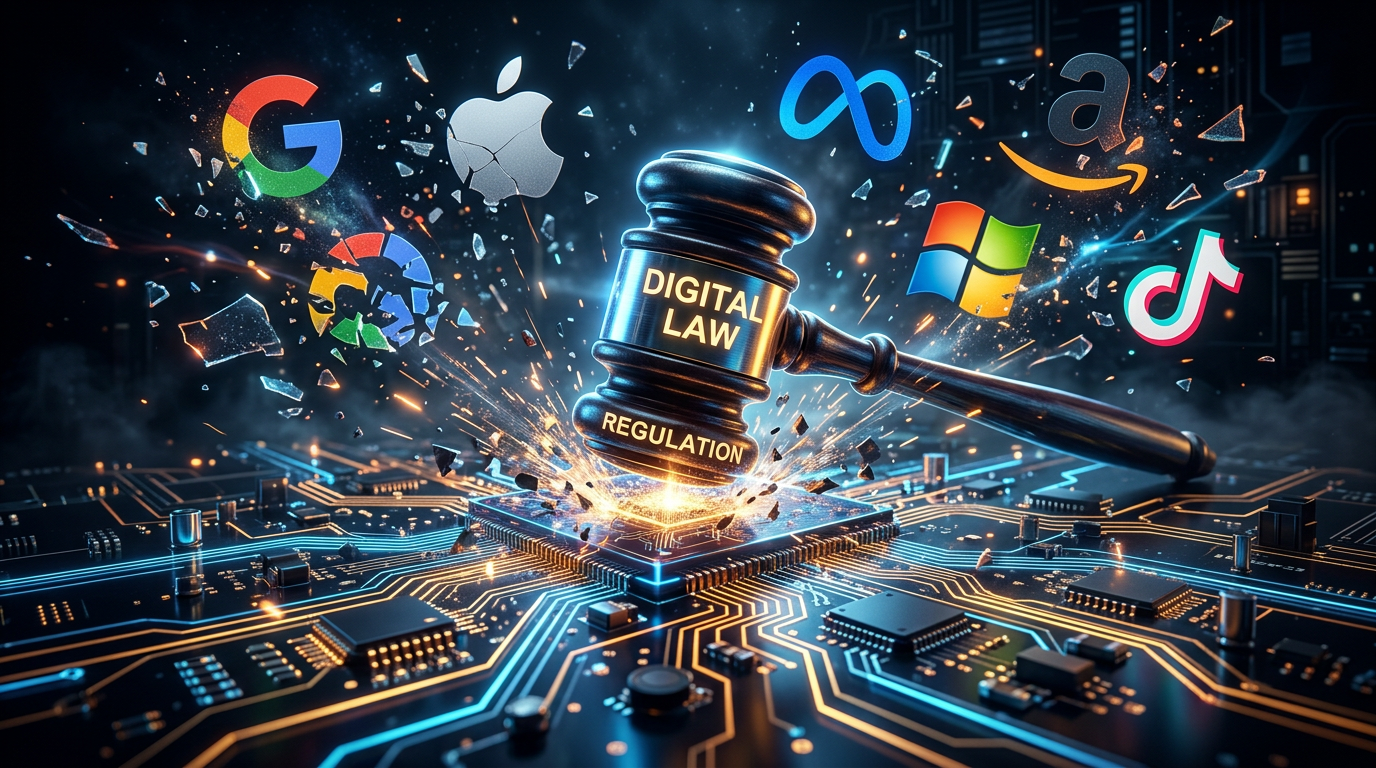
The long-standing immunity enjoyed by Silicon Valley’s titans is facing an unprecedented reckoning. For decades, the tech industry operated under a shield of legal exceptionalism, largely protected by Section 230 and a general judicial reluctance to hold platforms responsible for the content they disseminate. However, the tide has turned. Recent landmark verdicts against Meta and Google signify more than just financial penalties; they represent the dawn of a new era of corporate accountability that could reshape the digital landscape for generations. For the first time, the judicial system is effectively treating these platforms not as neutral town squares, but as sophisticated products subject to the same liability standards as any other consumer good.
The courtroom battles center on a fundamental question: are social media platforms neutral conduits or active architects of social harm? Recent judicial findings suggest the latter. Legal advocates and child safety groups have successfully argued that these platforms’ proprietary algorithms are not mere neutral tools but are intentionally designed to maximize engagement at the cost of user well-being. By focusing on product liability rather than just content moderation, plaintiffs have found a fissure in the traditional legal defenses used by Big Tech. This shift from 'speech' to 'product design' allows courts to examine the psychological impact of infinite scrolls, push notifications, and recommendation engines, moving the debate into a realm where corporate responsibility is much more clearly defined.
In Washington, these legal victories are being watched with intense scrutiny. For years, bipartisan efforts to regulate social media have stalled amidst heavy lobbying and concerns over First Amendment violations. But judicial momentum provides political cover for lawmakers. If the courts are declaring that these platforms are liable for 'design defects' that lead to mental health crises or algorithmic harms, the legislative argument for stricter oversight becomes much harder to ignore. We are seeing a rare moment where the judiciary is outpacing the legislature, providing a blueprint for what systemic accountability might look like in a post-unregulated digital age.
Meta and Google, naturally, maintain that they have invested billions in safety and security measures to protect their users. Yet, the testimony heard in these trials often paints a different picture—one of internal warnings ignored in favor of growth metrics and user retention. This disconnect between public relations and internal documentation has been a cornerstone of the recent litigation success. As these cases move through the appellate process, the legal precedents established here will serve as the foundation for future class-action suits and potentially sweeping federal regulation that could redefine the internet as we know it.
The broader implications are staggering. We are moving toward a world where the 'move fast and break things' mantra is no longer legally sustainable. If tech companies are held to the same safety standards as automobile manufacturers or pharmaceutical giants, the cost of innovation will necessarily include the cost of harm prevention. This is a seismic shift in the social contract between the public and the platforms that mediate our reality. While these verdicts are not the end of the journey, they mark a definitive conclusion to the era of Big Tech’s untouchability. The question is no longer whether accountability is coming, but how quickly the industry can adapt to this new, strictly regulated reality.
About Emily Watson
Political Correspondent
Civil Rights Correspondent covering legislation related to voting rights, equality, and systemic justice.
View Full Profile & Work →Continue Briefing
Additional intelligence reports from the network
More Headlines

Sen. Chris Coons Weighs in on Trump's New Nominee for National Intelligence Director
JUN 12 • 2026, 5:00 AM ET
Trump Nominates Jay Clayton to Serve as Director of National Intelligence
JUN 12 • 2026, 5:00 AM ET


Air India Crash Families' Year-Long Battle to Identify Remains of Victims
JUN 12 • 2026, 4:01 AM ET